
Helicostylis
Helicostylis
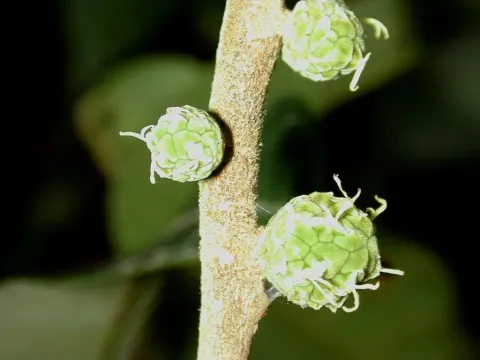
Helicostylis is a genus of tropical evergreen trees belonging to the Moraceae family. These plants are typical inhabitants of the moist tropical forests of South and Central America.
What the section contains

Helicostylis
For optimal growth, the culture requires consistently high air temperatures throughout the year, characteristic of equatorial latitudes. The plant is extremely sensitive to low temperatures and cannot withstand even brief frosts.
High soil and air humidity are critical factors for development. In their natural habitat, Helicostylis prefers well-drained yet consistently moist and fertile tropical soils.
The plant possesses distinct botanical features, including dense wood and the ability to produce latex, which is common among many members of the Moraceae family.
In cultivation or intensive forest management, the tree requires protection from direct drying winds, preferring conditions under the canopy or on the edges of forest areas.
The economic use of Helicostylis is primarily focused on obtaining high-quality timber. Unlike traditional agricultural crops, productivity is measured by biomass volume and the quality of the harvested wood.
The wood of this genus is highly valued for its hardness, durability, and resistance to environmental factors, making it sought after for furniture production and construction.
In addition to timber, certain species of Helicostylis may produce edible fruits, which increases their importance in the local economic structure of tropical regions.
Growth rates vary depending on the species and light availability, but overall, the species of this genus are considered slow-to-moderate growing tropical forest trees.
Harvesting fruits or timber requires adherence to sustainable forestry practices to ensure the natural regeneration of the population.
The primary threats to Helicostylis plantations are pathogens common to tropical ecosystems. High humidity significantly increases the risk of fungal infections affecting the bark and root systems.
Insect pests, such as wood-boring beetles and various tropical larvae, can significantly degrade the quality of commercial timber by tunneling into the trunks.
Anthropogenic factors remain the main threat: massive deforestation leads to a reduction in the natural range of Helicostylis.
The lack of crop rotation in natural conditions makes the species susceptible to the buildup of specialized soil-borne microorganisms that cause root collar rot.
Monitoring the health of the trees in areas of active use requires regular inspections to detect signs of fungal infection or pest larvae infestation.