
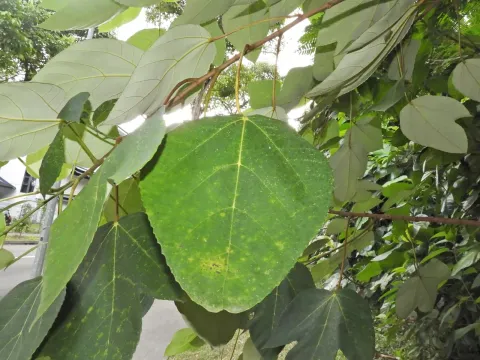
Gooseberry-leaved fig
Ficus grossularioides
The Gooseberry-leaved fig (Ficus grossularioides) belongs to the Moraceae family and is native to the coastal regions and forests of Southeast Asia. This evergreen shrub is highly valued for its unique foliage and adaptability to warm climates.
What the section contains
Gooseberry-leaved fig
To thrive, the plant requires high humidity and consistent temperatures. It does not tolerate cold drafts or frost, making it ideal for tropical climates or climate-controlled environments like greenhouses.
Soil requirements focus on high organic matter content combined with excellent drainage. A mix comprising peat, pine bark, and coarse sand provides the necessary environment for healthy root development and prevents waterlogging.
Sunlight exposure should be bright but filtered. In agricultural and decorative settings, light intensity is adjusted to ensure uniform leaf growth. Too much direct sun in intense heat may cause leaf scorch, while shade promotes leaf drop.
Maintenance involves frequent pruning to manage its size and shape, especially when grown as a bonsai or a decorative container plant. Regular fertilization with a balanced NPK fertilizer supports healthy vegetative growth throughout the season.
Common pests affecting Ficus grossularioides include spider mites, which thrive in low-humidity conditions. Regular misting and proper environmental control are effective ways to mitigate mite infestations in greenhouse settings.
Mealybugs and scale insects pose a persistent threat by feeding on sap and excreting honeydew, which leads to sooty mold growth. Integrated pest management, including systemic insecticides, is recommended for effective control.
Fungal leaf spot diseases may occur when plants are kept in stagnant, humid air without adequate ventilation. Ensuring proper airflow and avoiding overhead watering can significantly reduce the risk of such infections.
Root rot is a critical threat caused by overwatering and poor drainage. This condition quickly kills the plant if not caught early through periodic inspection of the soil moisture levels and root color.
Cultural hygiene, including the sterilization of pruning tools and removal of fallen leaves from the container or soil surface, is essential to minimize the spread of pathogens in a production environment.