
Fustic
Maclura tinctoria
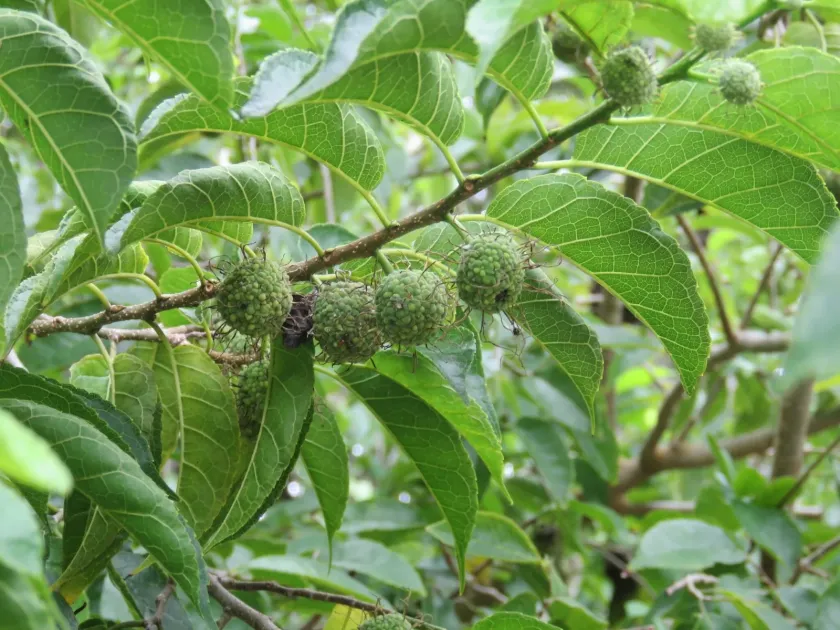
Description
Growing requirements
Fustic (Maclura tinctoria) is a significant tree species belonging to the Moraceae family. It is widely recognized for its ecological importance and its historical role as a primary source of natural yellow dye, extracted specifically from its heartwood.
Native to tropical Central and South America, this species thrives in climates characterized by consistently warm temperatures and high humidity. It is sensitive to frost and extreme cold, requiring a stable tropical or subtropical environment to achieve optimal growth rates.
Regarding soil requirements, Maclura tinctoria prefers deep, well-drained loamy soils. It avoids waterlogged areas, as stagnant water can severely restrict root development and lead to physiological stress or total loss of the tree stands.
The agronomic management of this crop involves ensuring sufficient sunlight exposure. While young plants can tolerate partial shade, mature trees require full sun to synthesize the chemical compounds necessary for high-quality dye production within their woody tissues.
Hostorical and current agricultural use focuses on the wood, which is known for its extreme hardness and resistance to decay. Beyond the dye industry, the timber is prized for specialized carpentry, as it provides a stable and long-lasting material for outdoor applications.
Main diseases and pests
The primary threats to Fustic plantations include various fungal pathogens that can invade the wood if the trees are stressed by adverse environmental conditions. Maintaining tree vigor is the most effective form of preventative management.
Insect pests, particularly wood-boring beetles, can cause structural damage to the trunk. Early detection through regular field scouting is essential to prevent significant economic losses in the wood production process.
Weed competition during the establishment phase is a critical challenge. Young trees lack the competitive ability to fight against aggressive grasses and vines, necessitating systematic manual or mechanical clearing around the base.
Root rot remains a persistent threat, especially in sites where drainage is inadequate. Implementing drainage systems before planting is a fundamental requirement to minimize the risk of soil-borne pathogens attacking the root system.
Integrated Pest Management (IPM) strategies, which prioritize cultural practices such as selective pruning and balanced fertilization, are recommended to maintain the long-term health and productivity of the trees.