
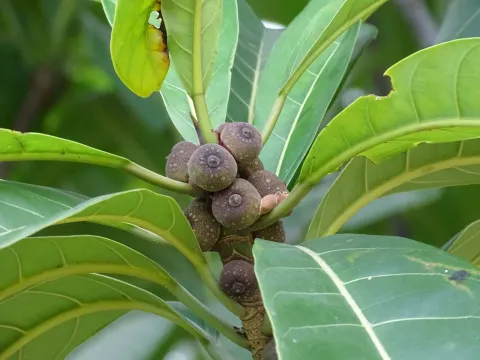
Ficus obtusifolia
Ficus obtusifolia
Ficus obtusifolia is a prominent member of the Moraceae family, recognized for its distinct blunt-shaped leaves and significant ecological role within tropical ecosystems. It often exhibits hemiepiphytic growth habits in its native habitat across Central and South America.
What the section contains
Ficus obtusifolia
The cultivation of this species requires a tropical climate with high ambient humidity and consistently warm temperatures. Frost sensitivity makes it unsuitable for open-field agriculture in temperate zones without strict environmental control.
Soil requirements focus on well-draining, nutrient-rich substrates. Sandy loams enriched with organic compost provide the best environment for root development, preventing the moisture stagnation that often causes root collar decay.
Sunlight exposure is a critical factor for the vigor of this tree. While it displays some tolerance to partial shade during early growth, maximizing photosynthesis through full sun exposure is essential for maintaining a dense and healthy canopy structure.
Water management involves deep irrigation cycles during the dry season to sustain plant growth. Supplementing irrigation with balanced NPK fertilizers ensures that the tree achieves optimal development and stress resistance.
Common pests include spider mites and scale insects, which can cause severe leaf drop and stunted growth if populations are left unmanaged in dry, warm conditions.
Pathogenic fungi, such as those causing leaf spot and root rot, are primary threats that usually emerge during periods of high humidity and poor ventilation within the foliage.
Preventive strategies include regular crown thinning to allow better airflow, which significantly reduces the risk of fungal outbreaks within the dense leaf clusters.
Integrated pest management (IPM) is recommended, focusing on the use of systemic insecticides only when necessary, alongside natural predators to control mite populations.
Monitoring for any discoloration or early leaf abscission is vital for early detection of potential threats, allowing for swift corrective action before the tree vitality is compromised.