
Ficus mucuso
Ficus mucuso
Ficus mucuso is a majestic tree belonging to the Moraceae family. Known for its imposing stature, it plays a vital role in the structure of African tropical rainforests.
What the section contains
Ficus mucuso
Native to sub-Saharan Africa, this species thrives in humid and hot tropical climates. It is frequently observed along riverbanks and in the interior of dense, wet forests.
The tree demands rich, deep, and moist soils to support its rapid vertical growth. It requires a stable environment where temperature fluctuations are minimal throughout the year.
High relative humidity is essential for the physiological processes of Ficus mucuso. It does not tolerate prolonged dry periods or frost, which strictly limits its cultivation to tropical regions.
The botanical structure of the tree, characterized by its thick, leathery leaves and unique syconium inflorescences, allows it to interact effectively with specific pollinators and seed dispersers.
The timber of Ficus mucuso is valued in local markets for construction and furniture manufacturing. While not a high-density wood, it is versatile and easy to work with for various rural applications.
In agroforestry systems, Ficus mucuso acts as an excellent shade tree. By creating a protective canopy, it helps regulate soil temperature and moisture for secondary crops grown beneath it.
The bark and roots of the tree are utilized in traditional medicine practices. Local communities often harvest these parts for their purported therapeutic properties in treating various ailments.
The tree’s rapid accumulation of biomass makes it a suitable candidate for carbon sequestration projects and reforestation initiatives aimed at restoring tropical ecosystems.
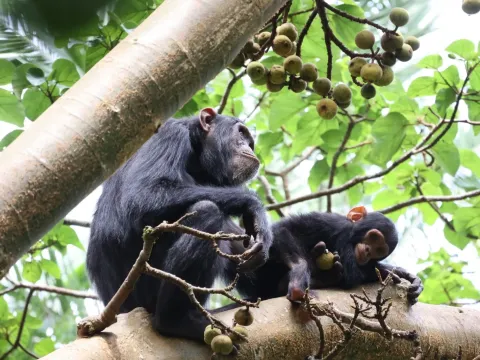
Additionally, the abundant fruits serve as a critical food source for monkeys, birds, and other wildlife, maintaining the balance of biodiversity within the forest habitat.
Pests such as specialized tropical boring insects can affect the health of the wood, leading to structural weakness if infestations are left unchecked.
Fungal pathogens represent a significant threat to Ficus mucuso, particularly under conditions of waterlogging or physical damage to the trunk, which provides entry points for rot.
Deforestation remains the primary cause of population decline. The clearing of natural forest corridors for plantations drastically reduces the habitat available for this species.
Competition from fast-growing invasive vines and epiphytes can severely stunt the growth of saplings, necessitating active forest management to ensure the survival of young trees.
Changes in local hydrological cycles due to climate change may increase the tree's vulnerability to diseases, as it relies on stable rainfall patterns to maintain its vigor.