
Ficus polita
Ficus polita
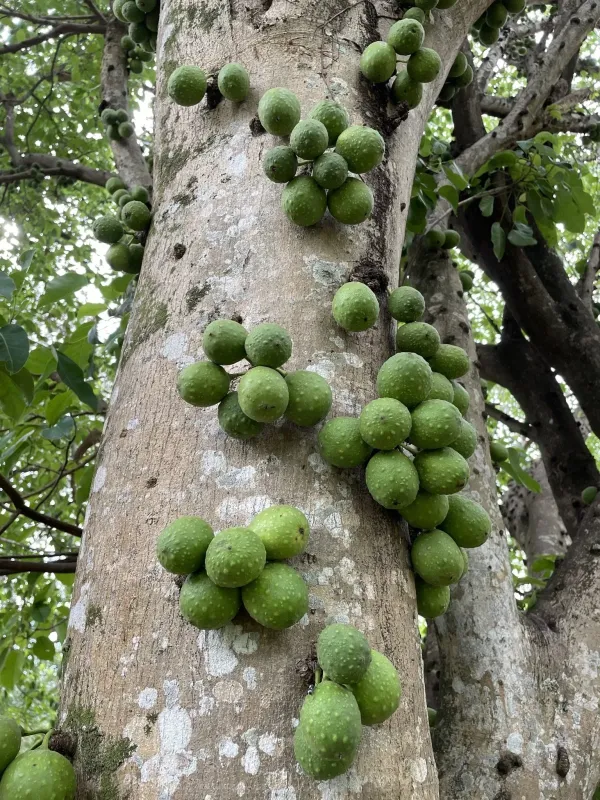
Description
Growing requirements
Ficus polita is a notable species within the Moraceae family, native to the tropical regions of Africa. This plant is recognized for its broad leaves and robust stature, thriving naturally in moist forest environments.
The culture requires a consistent tropical climate to flourish. Optimal temperatures range between 22 and 28 degrees Celsius, and the plant is highly sensitive to cold drafts and temperatures dropping below 15 degrees Celsius.
Regarding soil conditions, Ficus polita prefers a nutrient-rich, loamy, and well-draining substrate. It is essential to prevent waterlogging, which the plant cannot tolerate due to its susceptibility to root rot.
Light management is crucial for the health of Ficus polita. It thrives in bright, filtered light conditions, as intense direct sun exposure is known to cause scorched foliage in tropical ficus species.
Regular maintenance involves keeping the soil evenly moist during the growing season. Humidity levels should be kept relatively high to mimic the plant's native habitat and to ensure optimal leaf development.
Main diseases and pests
The primary pests affecting Ficus polita include spider mites and mealybugs. These insects can cause significant stress to the plant by feeding on the sap, leading to stunted growth and leaf drop.
Fungal issues, such as leaf spot and root rot, are the most frequent health threats. These typically arise from poor drainage, overwatering, or insufficient air circulation within the canopy.
Management of these threats involves a combination of mechanical removal and chemical intervention. In cases of severe fungal infection, affected parts should be pruned away to prevent further spread.
Integrated pest management is recommended to keep the culture healthy. This includes maintaining proper spacing between plants to allow for airflow and monitoring for the early stages of infestation.
Providing optimal environmental conditions significantly enhances the plant's natural resistance to both pathogens and environmental stressors.