
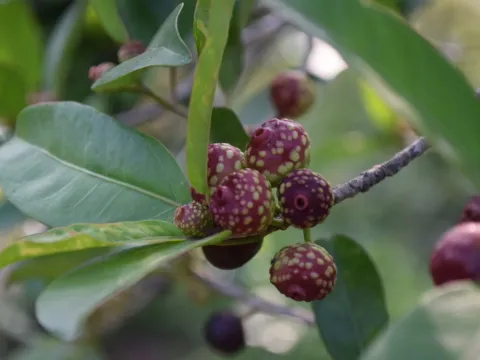
Ficus pertusa
Ficus pertusa
Ficus pertusa belongs to the Moraceae family and is native to the tropical regions of Central and South America, where it thrives in humid environments.
What the section contains
Ficus pertusa
As a botanical species, it often displays hemi-epiphytic characteristics in its natural habitat, eventually growing into a substantial and majestic tree.
Optimal growth requires consistent warmth throughout the year, with temperatures ideally ranging between 20°C and 30°C to support vigorous vegetative development.
Soil requirements focus on high organic matter content and excellent drainage, as the species is highly susceptible to root hypoxia in waterlogged substrates.
The plant necessitates bright, indirect light to maintain its foliage density and overall vigor, mimicking the filtered light conditions of its native jungle canopy.
Fungal diseases, particularly those affecting the root system, represent the primary threat to the longevity and health of Ficus pertusa specimens.
Pests such as spider mites are prevalent in environments with low humidity, causing leaf chlorosis and eventual necrosis of the foliage.
Scale insects and mealybugs frequently infest the stems and leaf axils, draining plant vitality and potentially introducing secondary viral infections.
Management of these threats depends heavily on maintaining proper airflow and avoiding overwatering, which are the fundamental pillars of cultivation.
Integrated pest management strategies, including the use of neem oil or targeted insecticides, are recommended at the first signs of infestation to preserve the crop.