
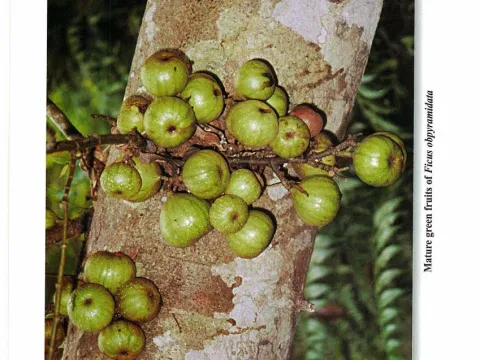
Ficus obpyramidata
Ficus obpyramidata
Ficus obpyramidata is a member of the Moraceae family. This evergreen species is known for its distinct growth habit and structural features that characterize its tropical origin in various Asian forest ecosystems.
What the section contains
Ficus obpyramidata
The plant thrives in environments that mimic its natural habitat, requiring high relative humidity and consistently warm temperatures to sustain active growth throughout the year.
Cultivation requires a well-draining, nutrient-rich soil medium. Given its sensitivity to waterlogging, it is essential to ensure that the substrate allows for efficient aeration and drainage to protect the delicate root system from rot.
Light requirements for this species are focused on bright, indirect sunlight. Direct exposure to harsh sunlight can cause scorching of the leaves, while insufficient light conditions will lead to sparse foliage and distorted growth patterns.
Temperature management is crucial, with an ideal range between +20°C and +26°C. The species is highly susceptible to thermal stress caused by drafts or rapid fluctuations in temperature, which often lead to premature leaf drop.
Spider mites represent a major threat to Ficus obpyramidata, especially in conditions where air humidity is low. Effective control measures include increased misting and the application of suitable acaricides when infestation is noted.
Scale insects can also infest the stems and leaves of the plant, drawing nutrients and weakening the overall vitality of the ficus. Systematic manual removal or the use of horticultural oils can effectively manage these populations.
Root rot, driven by fungi like Phytophthora, is a common consequence of overwatering. Ensuring the soil surface dries slightly between waterings is the best preventative strategy against these pathogens.
Nutritional deficiencies often manifest as chlorosis or stunted growth. Providing a balanced, water-soluble fertilizer during the growing season is essential for maintaining the health and deep green color of the leaves.
Regular sanitation, including the pruning of damaged or dying branches, is recommended to maintain the plant's health. This practice prevents the spread of opportunistic diseases and enhances the overall airflow within the canopy.