
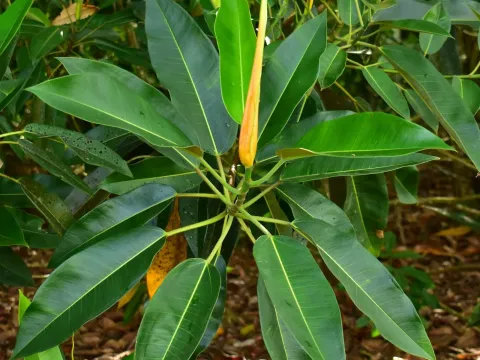
Ficus pleurocarpa
Ficus pleurocarpa
Ficus pleurocarpa is a notable species within the Moraceae family, native to the tropical rainforests of northeastern Queensland, Australia. This species is often recognized for its unique habit of starting life as an epiphyte before eventually establishing itself in the soil.
What the section contains
Ficus pleurocarpa
To cultivate this species successfully, it is essential to maintain a warm environment with temperatures consistently between 20°C and 28°C. Protecting the plant from cold drafts and sudden temperature fluctuations is critical to maintaining its health and foliage integrity.
The plant thrives in a well-draining, nutrient-rich potting medium. A mix containing peat moss, coarse perlite, and pine bark is often recommended to ensure proper aeration and prevent moisture retention, which can be detrimental to the sensitive root system.
Bright, filtered light is the optimal lighting condition for Ficus pleurocarpa. While it can adapt to lower light levels, it will grow significantly slower and may become leggy, losing the dense, attractive crown that defines its natural aesthetic.
Consistent watering practices are vital for its development. The grower should allow the top layer of the substrate to dry out between waterings. During the active growing season, liquid fertilizer applied monthly will support the production of healthy, lush leaves.
Spider mites are the most common pest challenge for Ficus pleurocarpa, particularly in indoor environments with low humidity. Regular misting and leaf washing can help deter these pests before they establish a significant population.
Scale insects can also infest the stems and undersides of leaves. These pests are best managed through early detection and the use of horticultural oils or systemic insecticides that are safe for indoor plant use.
Root rot is a frequent cause of decline, usually resulting from overwatering or inadequate soil drainage. If the plant shows signs of wilting despite moist soil, it is imperative to inspect the roots and prune away any damaged or decayed areas.
Leaf spot diseases, often caused by fungal pathogens, may occur if air circulation is insufficient. Increasing ventilation around the plant and avoiding overhead watering can significantly reduce the risk of these infections taking hold.
Mealybugs can occasionally affect young shoots or hidden crevices of the plant. A cotton swab dipped in isopropyl alcohol is an effective tool for spot-treating and removing these pests during the early stages of infestation.