
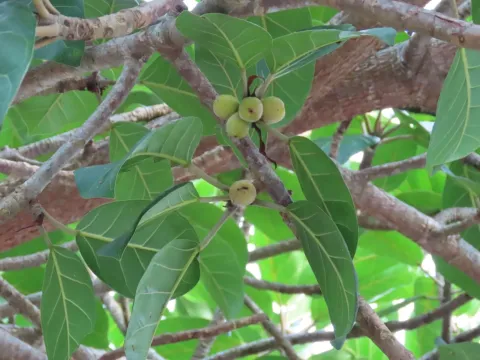
Ficus lutea
Ficus lutea
Ficus lutea is a significant species within the Moraceae family, known for its status as a massive evergreen tree in its native tropical African habitats. It is characterized by its large, leathery leaves and a robust growth habit that makes it a dominant presence in its ecosystem.
What the section contains
Ficus lutea
Geographically, this species is widespread across the African continent, thriving in diverse environments from humid rainforests to savannah-type woodlands. It is highly valued for its ability to adapt to varying light conditions, provided that moisture and warmth are consistently available.
Climatic requirements for Ficus lutea are centered on tropical conditions. It requires consistent temperatures with no risk of frost, as the plant lacks cold hardiness. In managed environments, it demands high humidity and protection from cold drafts that can induce significant physiological stress.
Soil management for this culture involves utilizing nutrient-rich, loamy, and well-draining substrates. It is imperative to prevent waterlogging, as the root system is highly susceptible to hypoxia if placed in compacted or poorly drained soil media for extended periods.
The agrotechnical approach focuses on balanced fertilization and managed pruning to control its vigorous growth. During the active growing season, consistent moisture and nutrient supply are vital for supporting the development of its large canopy and extensive leaf surface area.
The primary threats to Ficus lutea include sap-sucking pests such as scale insects, mealybugs, and spider mites. These organisms can cause significant aesthetic and physiological damage by draining the plant's resources and facilitating the growth of sooty mold.
Pathological issues often stem from improper water management. Root rot is the most common disease associated with over-irrigation, leading to the rapid decline of the plant if the substrate remains saturated without adequate aeration.
Effective management includes systematic monitoring for early signs of infestations. Integrated pest management, which combines physical removal of pests with the application of horticultural oils or specialized insecticides, remains the gold standard for maintaining plant health.
Fungal infections of the foliage can occur in environments with poor air circulation. Improving ventilation around the tree canopy significantly reduces the risk of leaf spots and other moisture-related pathogens that can plague tropical species.
Preventative maintenance practices, such as sterilizing pruning tools and maintaining optimal environmental conditions, are the most effective ways to ensure the longevity of the plant and prevent the establishment of harmful pest colonies.