
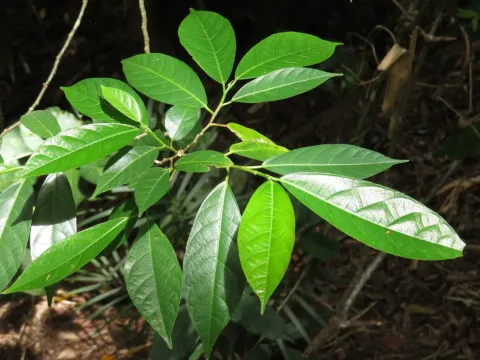
Ficus leptoclada
Ficus leptoclada
Ficus leptoclada is a species belonging to the Moraceae family. It is a perennial tropical plant native to the dense forests of Southeast Asia, where it thrives as part of the understory or lower canopy.
What the section contains
Ficus leptoclada
This species is well-adapted to warm, humid tropical climates. To cultivate it successfully, one must replicate these conditions by providing consistent warmth and high relative humidity throughout the year.
The plant requires well-draining, nutrient-rich soil that mimics the forest floor. Drainage is critical, as stagnant water is lethal to its root system and frequently leads to physiological decline in indoor settings.
Regarding light, it requires bright but indirect sunlight. Direct exposure to intense solar radiation can cause leaf scorching, while insufficient light levels result in stunted growth and weak, elongated stems.
Agrotechnical practices involve regular application of balanced NPK fertilizers during the growing season. Pruning is essential for maintaining aesthetic shape and promoting lateral branching, which enhances the plant's overall density.
The most common pests affecting Ficus leptoclada are spider mites, scale insects, and mealybugs. These sap-sucking insects thrive in environments with low humidity, making regular monitoring of leaf undersides necessary.
Fungal pathogens such as anthracnose are frequent when air circulation is poor. Excessive leaf wetness combined with stagnant air provides an ideal environment for fungal spore germination and rapid spread.
Root rot is the most significant threat related to poor cultural practices. It is usually caused by overwatering or soil that lacks adequate aeration, leading to anaerobic conditions that decay the plant's root mass.
Physiological disorders, such as leaf drop, occur when the plant experiences sudden temperature fluctuations or draughts. Maintaining stable environmental conditions is the primary method of preventing stress-related shedding.
Integrated pest management, including biological controls and targeted chemical treatments, is recommended. Always ensure that the growing environment is clean and that all maintenance tools are disinfected.