
Ficus luschnatiana
Ficus luschnatiana
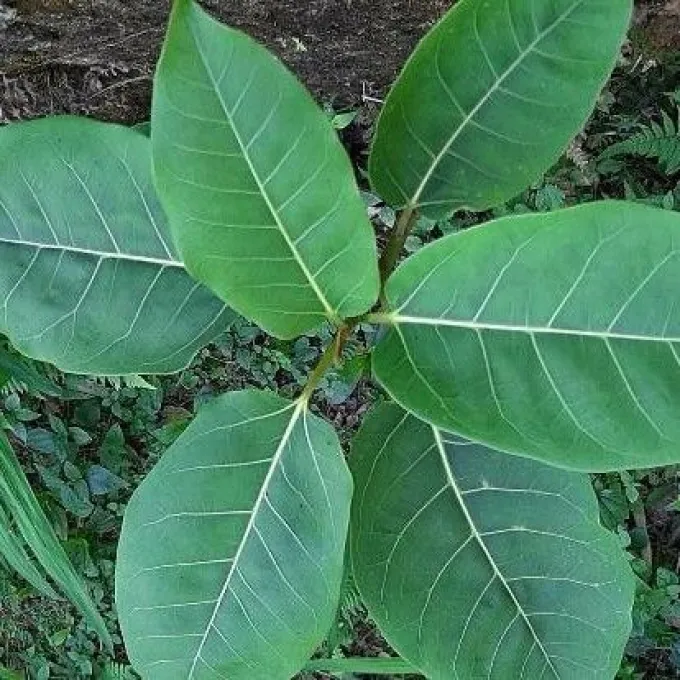
Description
Growing requirements
Ficus luschnatiana belongs to the extensive Moraceae family. It is an evergreen woody plant that can reach significant dimensions in natural conditions, developing a dense and spreading canopy.
The plant originates from the tropical regions of South America, specifically found in Brazil. In its natural habitat, the crop prefers humid tropical forests where the climate is characterized by a lack of sharp temperature fluctuations.
Consistently high temperatures and high humidity are critical for the successful development of this species. The crop is extremely sensitive to frosts and drafts, which is why it can only be grown as a greenhouse or indoor plant in regions with a temperate climate.
Soil preferences include well-drained, fertile substrates with a neutral or slightly acidic pH. It is important to protect the plant from waterlogging in the root zone, as the root system is prone to rot when moisture is excessive.
Agricultural practices include regular fertilization during the growing season and maintaining optimal lighting levels. Although the ficus is shade-tolerant, it requires diffused yet intense light for active growth, excluding direct exposure to scorching sunlight.
Yield
The economic use of Ficus luschnatiana is primarily focused on ornamental landscaping in tropical zones. The plant is valued for its high air-purifying capacity and its ability to create dense green shade.
On an industrial scale, the crop can be used for forest restoration or as a soil-improving plant in its natural range. The timber of this species possesses specific properties characteristic of tropical figs, although it is rarely used in commercial forestry.
The biological productivity of the plant is expressed in rapid biomass accumulation. Under favorable conditions, the ficus exhibits high growth rates, allowing it to be used for rapid greening of urban and private spaces.
The fruits of the plant, like most members of the genus Ficus, are syconia. They serve as an important food source for local fauna, supporting biological diversity within ecosystems in the area of cultivation.
A promising direction is breeding work to develop more compact forms for interior design, which increases the commercial attractiveness of this crop in the global planting material market.
Main diseases and pests
The primary pests for Ficus luschnatiana in protected environments are scale insects and spider mites. When the microclimate is compromised, particularly at low humidity, the plant becomes vulnerable to these sucking insects.
Fungal diseases, such as root rot, develop mainly due to mistakes in the watering regimen. Excessive soil moisture combined with low temperatures creates an ideal environment for pathogens.
Anthracnose and various leaf spots can affect the crop when air circulation is poor. Regular sanitary pruning and timely removal of affected parts are key preventive measures.
When infested with pests, it is recommended to use systemic insecticides or acaricides, strictly following dosage instructions. It is important to note that physical control methods, such as wiping leaves with soap solutions, are effective only at early stages.
Disease prevention consists of adhering to quarantine measures when introducing new planting material and maintaining the plant's immunity through balanced nutrition and strict adherence to light regime protocols.