
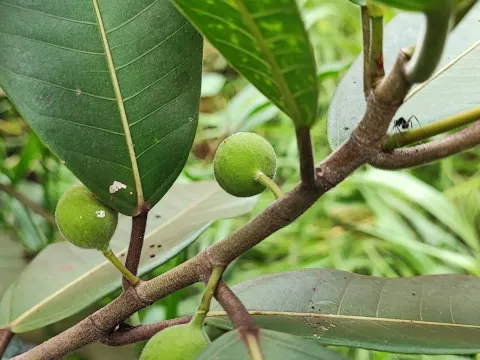
Ficus maxima
Ficus maxima
Ficus maxima is a robust, evergreen tree belonging to the Moraceae family. It is widely recognized in its native tropical environments for its significant size and its role as a cornerstone species in primary and secondary forest ecosystems.
What the section contains
Ficus maxima
The natural range of this species spans across the Neotropics, covering areas from Mexico through Central America to South America. It thrives in lowland tropical rainforests where high humidity and year-round rainfall are standard.
Optimal growth conditions require a tropical climate with high temperatures and protection from cold extremes. Ficus maxima is not frost-tolerant, which limits its cultivation potential to tropical and subtropical zones where thermal stability is maintained.
Regarding soil preferences, this species grows best in deep, well-drained, and nutrient-rich soils. It can adapt to various soil types but performs exceptionally well in substrates that provide consistent moisture without waterlogging.
Cultivation practices include providing sufficient space for the root system and canopy expansion. Due to its vigorous growth habit, the tree is often integrated into agroforestry systems to provide shade and assist in soil stabilization.
In terms of utilization, Ficus maxima serves as a source of timber for local construction and small-scale artisanal work. The wood is valued for its durability in humid environments, common to the regions where it grows.
The fruit of the tree is ecologically vital, as it supports numerous species of birds and mammals, making it a preferred species for reforestation projects. Its presence helps restore food chains in degraded forest areas.
Various parts of the tree, including its sap and bark, have been used in traditional indigenous practices for centuries. These applications, ranging from medicinal uses to fiber production, highlight the cultural significance of the species.
In modern agricultural settings, it functions as a shelterbelt plant, protecting other sensitive crops from intense sun and wind. By regulating the microclimate, it enhances the overall productivity of the cultivated area.
The tree's capacity to regenerate and persist makes it a valuable asset for long-term sustainable land management and conservation efforts in tropical landscapes.
Like many species in the Moraceae family, Ficus maxima is susceptible to various pests, including scale insects, thrips, and spider mites. These pests primarily affect the foliage and can reduce the overall vigor of the tree if infestations remain unchecked.
Fungal pathogens represent the most significant disease threat, particularly in poorly ventilated areas with excessive moisture. Root rot is a common issue that occurs when the substrate does not allow for proper drainage or root aeration.
Managing these threats requires a combination of cultural practices, such as pruning damaged branches and ensuring proper plant spacing. Regular monitoring is essential for the early detection of any signs of stress or infection.
Mechanical damage to the bark by animals or tools can facilitate the entry of pathogenic fungi or bacteria, potentially causing long-term structural weakness. Protecting the tree trunk is a crucial maintenance task.
Integrated pest management strategies, focusing on biological control and maintaining tree health, are preferred to minimize the reliance on chemical treatments that could disrupt the local forest ecosystem.