
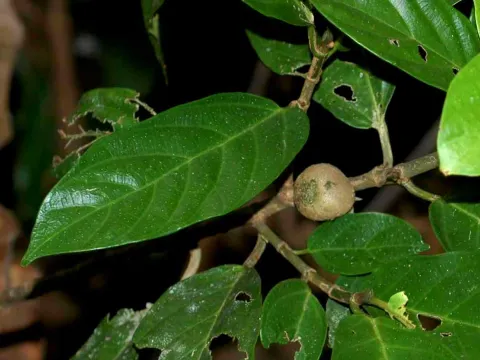
Ficus lepicarpa
Ficus lepicarpa
Ficus lepicarpa is a species of woody plant belonging to the Moraceae family, native to the tropical forests of Southeast Asia. It is primarily found in regions such as Indonesia and Malaysia, where it thrives in humid and warm environments.
What the section contains
Ficus lepicarpa
The cultivation of this species requires a stable tropical climate with temperatures typically ranging between 20°C and 30°C. High humidity levels are essential for the plant to maintain its physiological functions and prevent dehydration.
Soil requirements involve a nutrient-rich, well-draining potting mix that retains sufficient moisture without becoming waterlogged. The use of organic amendments, such as peat or coco coir, is recommended to improve the structure of the substrate.
Light exposure should be filtered or indirect to prevent phototoxicity on the foliage. While the plant can tolerate partial shade, bright light is necessary to support robust growth and the development of the canopy.
Proper agronomic management involves consistent fertilization during the peak growth season, ensuring that micronutrients are provided to prevent chlorosis and support healthy leaf development throughout the year.
Root rot is the most significant threat to Ficus lepicarpa, caused mainly by overwatering and the lack of appropriate drainage in the soil profile, leading to anaerobic conditions.
Pests such as spider mites are prevalent in drier environments, causing discoloration and eventual drop of leaves. Regular misting or increased humidity levels serve as an effective preventative strategy against these mites.
Mealybugs represent another common pest that damages the plant by extracting sap from stems and leaf axils. Physical removal or the application of horticultural oils can effectively manage localized outbreaks.
Bacterial leaf spots may occur in conditions of poor air circulation. It is crucial to space plants appropriately to allow for sufficient ventilation and reduce the risk of humidity-related pathogens.
Integrated pest management, combining physical inspection and timely application of biological or chemical control agents, is the most effective approach to maintaining the health of this species.