
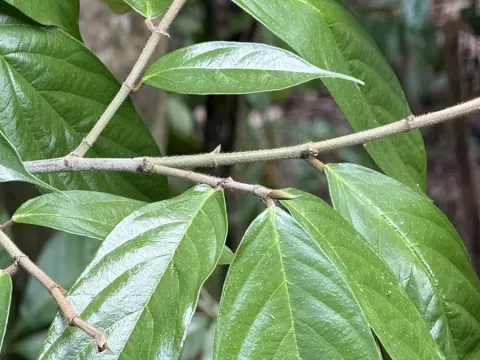
Ficus lamponga
Ficus lamponga
Ficus lamponga is a tropical woody species belonging to the Moraceae family. Naturally occurring in the tropical rainforests of Southeast Asia, this plant thrives in warm and humid environments, often displaying epiphytic growth habits in its native habitat.
What the section contains
Ficus lamponga
The cultivation of this species requires well-draining soil mixtures rich in organic matter. Proper aeration of the root system is essential to prevent asphyxiation and the development of pathogenic fungi, which are common in the humid conditions this plant prefers.
The plant demonstrates a requirement for bright, indirect sunlight to maintain its physiological health. Exposure to harsh, direct sunlight can result in leaf necrosis, while inadequate lighting typically leads to etiolated growth and poor structural development of the branches.
Agricultural practices for Ficus lamponga include consistent moisture management and the application of balanced fertilizers during the active growing season. Maintaining high ambient humidity is crucial, especially in greenhouse or nursery conditions, to support vigorous foliage development.
Temperature stability is a fundamental requirement for the successful cultivation of this species. It is sensitive to thermal stress, therefore environments that minimize fluctuations are ideal for maximizing the growth rate and overall quality of the plant stock.
The primary threats to Ficus lamponga include fungal pathogens that exploit high humidity and poor ventilation. Leaf spots and various rots are frequent complications if the growing environment is not properly managed through controlled airflow and sanitation.
Insects such as scale insects, mealybugs, and spider mites represent the most significant pest pressure for this plant. These pests feed on sap, weakening the host and facilitating the secondary invasion of sooty mold on the foliage, which reduces the plant's photosynthetic efficiency.
Root system disorders, including root rot caused by stagnant water, pose a severe threat to the long-term survival of the crop. Implementing a robust drainage system and avoiding over-irrigation are critical preventative measures against these soil-borne threats.
Nematode infestations can also be problematic, especially in intensive agricultural settings where soil sterilization is not consistently performed. Monitoring root health through periodic inspections helps in early identification and treatment of these underground pests.
Integrated pest management strategies are recommended to maintain the health of the crop. These include the use of biological controls, routine cleaning of the cultivation area, and selective application of appropriate pesticides only when necessary to prevent pest resistance.