
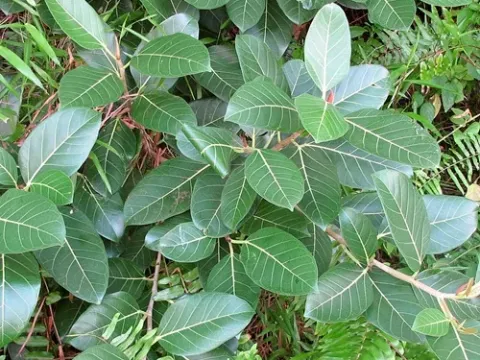
Ficus kerkhovenii
Ficus kerkhovenii
Ficus kerkhovenii is an impressive evergreen tree species belonging to the Moraceae family. Naturally occurring in the tropical rainforests of Southeast Asia, it is well-regarded for its robust growth and lush, dense canopy.
What the section contains
Ficus kerkhovenii
Botanically, this species often starts as an epiphyte, germinating in the branches of other trees before extending roots to the forest floor. Its large, glossy foliage and architectural structure make it a focal point in indoor and landscape environments.
To ensure healthy development, Ficus kerkhovenii requires consistent, warm temperatures and high humidity levels. Sudden exposure to cold air or drafts can induce significant leaf drop, as the plant is highly sensitive to thermal shocks.
Soil requirements involve a well-draining, nutrient-rich substrate. A mix containing organic matter, peat, and inorganic elements like perlite ensures proper oxygen exchange while retaining sufficient moisture for the root system.
Proper agricultural practices include providing bright, indirect light to stimulate photosynthesis. During the growing season, regular watering and balanced feeding are essential to support the tree’s rapid vegetative expansion.
Spider mites represent a primary threat to Ficus kerkhovenii, particularly in environments with low relative humidity. Regularly misting the foliage and maintaining stable climate conditions effectively minimizes the risk of infestation.
Scale insects can attach themselves to the stems and undersides of leaves, causing structural damage and weakening the plant. Manual removal or application of horticultural oils is recommended to manage these pests.
Root rot caused by stagnant water is a critical issue that often leads to plant death. Using containers with adequate drainage holes and avoiding excessive watering is the best preventative strategy for maintaining root health.
Fungal leaf spot diseases may appear if the canopy remains wet for too long without proper airflow. Ensuring good spacing and ventilation around the plant is vital to prevent spore germination and spread.
Nutrient imbalances, such as nitrogen deficiency, may manifest as pale or yellowing leaves. Periodic soil analysis and the application of slow-release fertilizers can help correct these deficiencies and promote vigorous growth.