
Ficus johannis
Ficus johannis
Ficus johannis is a perennial woody plant belonging to the Moraceae family. In the wild, this species grows as a small tree or shrub, demonstrating exceptional adaptability to arid and rocky environments.
What the section contains
Ficus johannis
Native to the regions of the Middle East and the Arabian Peninsula, this plant has evolved to thrive in extremely dry climates with minimal rainfall, where other tree species struggle to survive.
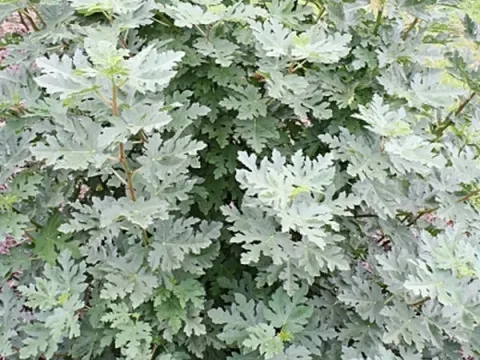
Botanically, the species is characterized by small, rigid leaves that reduce water loss through transpiration. Its root system is notably robust, capable of penetrating deep into rock crevices in search of water sources.
For successful cultivation, the species requires well-drained, preferably rocky or sandy soils. It is highly sensitive to waterlogging, as excessive moisture in the root zone can quickly lead to lethal root rot.
The plant exhibits high tolerance to direct sunlight and extreme diurnal temperature fluctuations. Optimal growing conditions include high solar radiation and low relative humidity throughout the growing season.
The primary use of Ficus johannis is ornamental and ecological. In arid regions, it is frequently employed for landscaping and soil erosion control on steep or degraded slopes.
While some traditional or folk medicinal uses may exist, the species does not have significant industrial cultivation for fruit or timber production at this time.
The fruit, like that of other members of the genus, consists of syconia. While technically edible, their nutritional and commercial value remains low compared to the common edible fig (Ficus carica).
The plant is highly valued by landscape architects in hot climates for its low maintenance requirements. Utilizing this species in urban greening helps significantly reduce irrigation demands.
Current scientific interest focuses on its extreme drought tolerance, with potential applications for breeding programs aimed at developing more resilient fig varieties for changing global climates.
The main threats to the plant in a nursery or garden setting are related to over-irrigation. Excess water disrupts the oxygen supply to the roots, paving the way for pathogenic fungi to colonize the root system.
Among the common pests, sucking insects such as spider mites and scale insects represent the most significant threat, particularly in enclosed environments with poor air circulation.
In its natural habitat, the plant is relatively resistant to diseases; however, upon introduction to new, more humid regions, it may become susceptible to outbreaks of powdery mildew.
Disease prevention is primarily achieved through strict irrigation control and the use of porous, inorganic-heavy potting media to ensure constant aeration of the root zone.
Periodic sanitary pruning of damaged or dead branches is recommended to maintain the health of the plant and to encourage the development of a denser, more aesthetic canopy structure.