
Ficus heteropleura
Ficus heteropleura
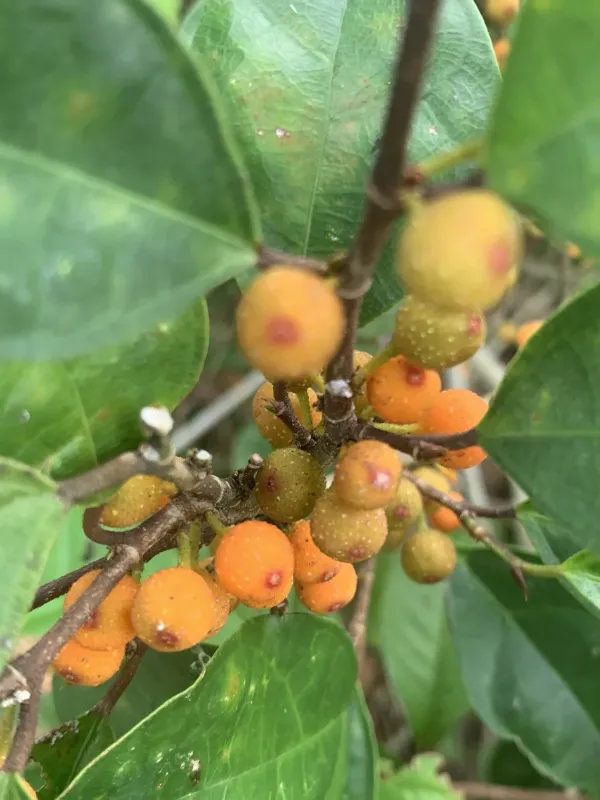
Description
Growing requirements
Ficus heteropleura is a distinct species within the Moraceae family, native to the tropical forests of Southeast Asia. This species is known for its diverse leaf morphology, often displaying asymmetrical patterns that are highly valued in horticultural collections.
In its natural habitat, the plant thrives in humid conditions under a canopy of larger trees. Consequently, in an agricultural or domestic setting, it requires bright, indirect sunlight to maintain its aesthetic and physiological health.
The preferred growing medium must be well-draining, nutrient-rich, and slightly acidic. A mix of peat, perlite, and organic compost provides an ideal substrate to support the extensive root development typical of this genus.
Optimal growth is achieved when temperatures are consistently maintained between 20°C and 26°C. It is crucial to protect the plant from cold drafts and extreme thermal fluctuations, which can cause significant stress.
Watering requirements involve keeping the substrate consistently moist but never waterlogged. High ambient humidity is beneficial, and regular misting or the use of humidifiers can replicate the necessary tropical conditions for robust growth.
Main diseases and pests
Spider mites are the most common pests affecting Ficus heteropleura, especially in indoor environments with low humidity. Early detection and regular leaf cleaning are essential to prevent large-scale infestations.
Scale insects and mealybugs represent other potential threats that can weaken the plant by feeding on its sap. Systemic insecticides are recommended for effective control when cultural methods are insufficient.
Fungal diseases, particularly root rot, often occur due to poor drainage or overwatering. Maintaining a balanced soil moisture level is the most effective preventative measure against these soil-borne pathogens.
Chlorosis, manifesting as yellowing leaves, may occur if there is a deficiency in essential minerals or an improper pH level in the soil. Annual soil testing or substrate replacement can mitigate these nutritional issues.
Proper hygiene, such as removing fallen leaves and pruning dead branches, helps prevent the spread of fungal spores and keeps the plant in a healthy condition for long-term cultivation.