
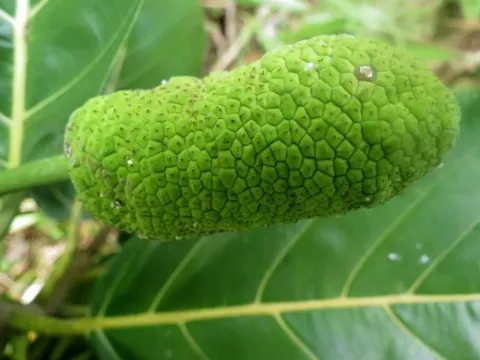
Artocarpus teysmannii
Artocarpus teysmannii
Artocarpus teysmannii is a prominent species within the Moraceae family, native to the lush tropical environments of Southeast Asia. This tree is characterized by its evergreen canopy and its ability to thrive in warm, humid climates without seasonal drought periods.
What the section contains
Artocarpus teysmannii
Agronomic success with this crop requires deep, well-aerated soils with an abundance of organic matter. The tree is particularly sensitive to waterlogging, necessitating the installation of high-quality drainage systems on plantations to prevent root rot.
Climate requirements include constant temperatures ranging between 22 and 30 degrees Celsius. Exposure to cold winds or frost can cause severe damage to the foliage and drastically reduce the plant's metabolic activity, hindering the fruit development process.
In terms of management, the plantation requires consistent maintenance of soil fertility. Applying organic mulching helps preserve moisture and suppress weed growth, which is essential for young saplings competing for nutrients in the soil.
Pollination is typically achieved through natural mechanisms, although in managed orchards, maintaining a diverse ecosystem around the trees is recommended to attract pollinators and ensure a high fruit set rate.
The primary economic output of Artocarpus teysmannii is its nutrient-dense fruit. The fruit is rich in carbohydrates and is a staple food source in many regions, serving as a versatile ingredient for various culinary preparations.
Harvesting is performed manually to maintain fruit integrity. The fruits are harvested when they reach their full mature size but before they become overly soft, ensuring they can be transported and stored for a limited duration.
Beyond the fruit, the wood of Artocarpus teysmannii is highly regarded for its durability and aesthetic appeal. It is commonly utilized in woodworking and furniture manufacturing due to its resistance to decay and insects.
Processing the fruit involves traditional methods such as steaming or boiling, which enhances its starch digestibility. In some communities, the fruit is sliced and dried to produce long-lasting flour, a valuable resource for food security.
Sustainable agricultural practices are vital to ensure the long-term health of the trees. Regular pruning of damaged branches and the removal of parasitic vines are necessary to maximize yield and protect the tree's structural integrity.