
Artocarpus nobilis
Artocarpus nobilis
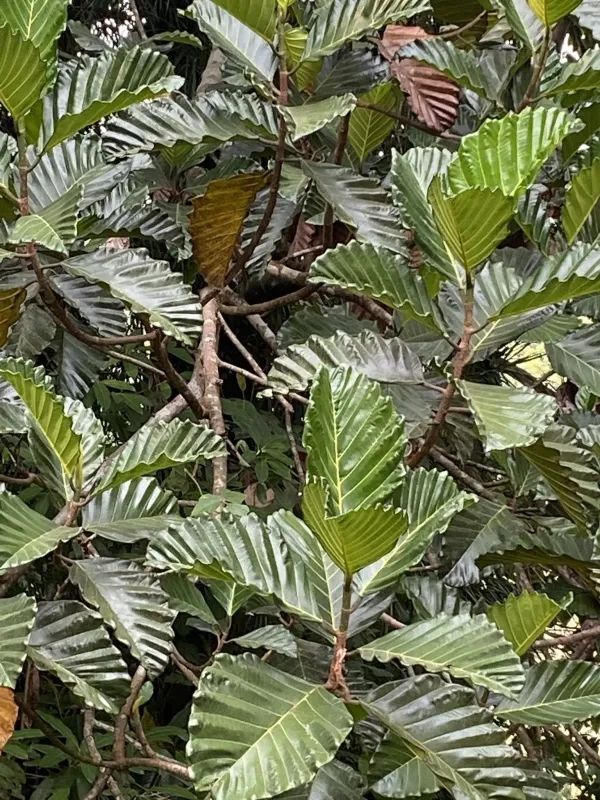
Description
Growing requirements
Artocarpus nobilis is a species of flowering tree in the family Moraceae, native to the tropical rainforests of Sri Lanka. This evergreen tree thrives in warm, humid climates where temperatures remain consistently above 22 degrees Celsius throughout the year. It does not tolerate frost or cold winds, making it strictly a tropical crop.
The tree requires deep, fertile, and well-drained soil to prevent root rot. It is sensitive to waterlogged conditions, which are common in its native habitat during heavy monsoon periods, thus proper site selection with adequate natural or artificial drainage is essential for plantation establishment.
Sunlight exposure is crucial for the optimal growth and fruit production of Artocarpus nobilis. While young saplings may benefit from partial shade to protect them from scorching, mature trees require full sun to develop a dense canopy and ensure proper photosynthetic efficiency for fruit ripening.
Maintaining high air humidity is vital for the health of the leaves and the prevention of desiccation. In agricultural settings, mulching the base of the tree is a standard practice to keep the root zone cool and moist, mimicking the natural floor conditions of its native tropical forest.
The cultural practice involves regular organic fertilization to provide essential nitrogen and potassium, which are needed for biomass accumulation and the metabolic processes involved in fruiting. Pruning is mainly sanitary, focusing on removing deadwood to improve air circulation within the canopy.
Yield
The yield of Artocarpus nobilis varies based on environmental conditions and management practices. Generally, the tree starts bearing fruit within 5 to 7 years from seed, reaching its full potential as it matures over the following decade. Its productivity is often influenced by the total annual rainfall and the availability of soil nutrients.
A single healthy tree can produce a substantial harvest, sometimes reaching up to 100 kilograms of fruit per season. The fruits are typically clustered along the branches, and their weight can differ, impacting the total harvested volume per hectare depending on the tree density and tree vigor.
Pollination success and subsequent fruit set are crucial stages for yield stability. In areas with low insect activity, yield may decrease, highlighting the importance of maintaining local biodiversity within or around the orchard to support pollinator populations.
Yield management also involves thinning fruits during the early development stages. By reducing the number of fruits per cluster, farmers ensure that the remaining fruits reach a larger size and higher quality, which increases their market value significantly.
Productivity cycles may fluctuate year-over-year, often linked to the duration of the monsoon seasons. Farmers often track these cycles to prepare for the harvest and marketing phases, ensuring that labor availability matches the peak ripening periods.
Main diseases and pests
Like many tropical fruit trees, Artocarpus nobilis faces challenges from various pests, particularly fruit flies that can severely impact the quality of the harvest. Implementing integrated pest management, such as the use of traps or fruit bagging, is highly recommended to minimize chemical reliance.
Fungal diseases, especially those causing leaf spots and blossom blight, thrive during high-humidity periods. Proper canopy management, including selective pruning, is the most effective preventive measure to maintain good airflow and reduce the humidity levels that favor fungal spore germination.
Root-knot nematodes can pose a hidden threat to the tree's health by hindering water and nutrient uptake. Regularly monitoring soil health and avoiding the planting of Artocarpus species in sites previously infected with soil-borne pathogens is a critical agricultural practice.
Structural damage can also occur due to heavy winds or storms typical in tropical regions. Maintaining the tree's balance through correct pruning and ensuring strong root anchoring can help the trees withstand such environmental stressors without suffering from branch breakage.
Proactive care involves monitoring for early signs of nutrient deficiencies or pest infestations. By addressing these issues at the initial stages, farmers can maintain the overall vitality of the plantation and ensure long-term sustainability of the crop.
Harvesting
Harvesting Artocarpus nobilis is a delicate process due to the susceptibility of the fruits to bruising. The fruits should be picked at the correct stage of maturity, characterized by a specific color shift and aroma, which indicates that the internal starches are ready for consumption.
Because the fruits are often harvested from significant heights, the use of specialized picking poles equipped with catching bags is standard. This method prevents the fruit from falling to the ground, which would cause significant damage and reduce the shelf life of the product.
Sorting after harvest is vital to categorize fruits based on size, ripeness, and quality. Only blemish-free fruits are typically selected for fresh market sales, while bruised or damaged specimens are diverted to local processing units for culinary use.
Post-harvest handling is critical because the fruits have a relatively short shelf life at room temperature. Proper ventilation and keeping them away from direct sunlight after harvest are essential strategies to delay the ripening process and maintain the texture of the flesh.
For those involved in processing, the harvest is just the first step. The fruit's flesh is often prepared through boiling, roasting, or drying, transforming the raw produce into stable food products that can be distributed beyond the local region and stored for longer periods.