
Bosqueia
Bosqueia
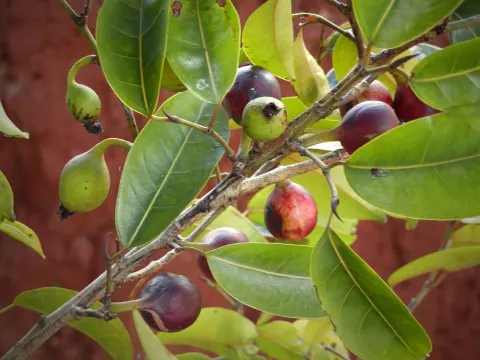
Bosqueia is a genus of evergreen trees belonging to the Moraceae family. These plants are native to the tropical regions of Africa, where they form an integral part of the forest canopy and local biodiversity.
What the section contains
Bosqueia
The culture requires a tropical climate with consistently high temperatures and significant humidity throughout the year. It is highly intolerant to frost, which limits its geographical range to tropical latitudes only.
Optimal growth conditions include deep, nutrient-rich soils that possess excellent drainage properties. Standing water is detrimental to the health of Bosqueia trees, often leading to rapid root rot and tree mortality.
While seedlings can withstand moderate shade, adult Bosqueia trees require adequate access to sunlight for crown development and flower production. Proper canopy management is essential in plantation environments to ensure sufficient light penetration.
Agricultural management primarily focuses on soil health and water retention. Mulching the base of the trees helps maintain a stable soil environment, while organic fertilizers are recommended to support vigorous growth in nutrient-depleted tropical soils.
Bosqueia is recognized primarily for its edible fruits, which are consumed by local populations, and its high-quality timber. The wood is prized for its durability and resistance to biological degradation.
The yield of fruits is seasonal and dependent on the age and vigor of the tree. While not currently a major industrial crop, Bosqueia is increasingly considered for agroforestry systems aimed at sustainable resource management.
Timber from Bosqueia is used to manufacture various wooden implements and domestic furniture. Its natural resistance to certain wood-boring pests adds significant value for artisanal and local commercial production.
Conservation of wild populations is vital, as the plant provides essential ecosystem services, including habitat and food sources for tropical birds and mammals that contribute to forest regeneration.
Future potential for Bosqueia lies in selecting superior genotypes that offer improved fruit production. Research into the propagation and cultivation of these trees supports both agricultural diversification and forest preservation efforts.
Fungal pathogens remain the most significant threat to Bosqueia in high-humidity environments. These pathogens often attack the leaves and twigs, requiring diligent sanitation and canopy aeration to manage.
Wood-boring insects are the primary pests that affect the structural integrity of the trunks. Infestations can lead to severe damage, necessitating regular monitoring and integrated pest management practices.
Herbivorous insects, including various beetles and lepidopteran larvae, can defoliate young trees, significantly stalling their development. Maintaining biodiversity within the plantation can help support natural predator populations.
Deforestation and habitat loss represent the most severe threats to the species' long-term survival. Habitat fragmentation disrupts the natural seed dispersal mechanisms relied upon by Bosqueia for forest recruitment.
Effective management against threats includes periodic sanitary pruning to remove infected branches and ensuring sufficient spacing between trees. Cleanliness of the planting site reduces the likelihood of outbreaks and promotes tree health.