
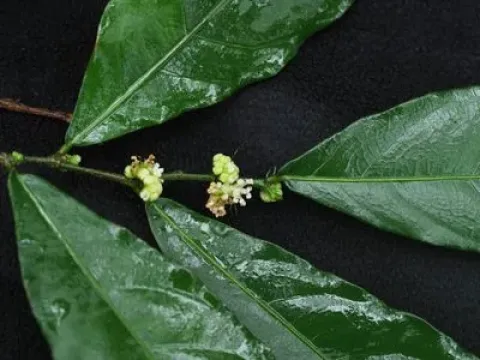
Bleekrodea
Bleekrodea
Bleekrodea is a genus of plants belonging to the family Moraceae, which includes various trees and shrubs native to tropical regions.
What the section contains

Bleekrodea
This species is primarily distributed across Southeast Asia, thriving in ecological niches characterized by warm and humid conditions.
Botanically, these plants are known for their distinct foliage structure and their adaptation to the specific light conditions of forest understories.
Cultivation of this species requires a deep understanding of its physiological needs, as it does not adapt well to abrupt changes in environmental factors.
The taxonomic classification highlights its evolutionary connection to more common members of the mulberry family, sharing similar structural features.
Successful growth of Bleekrodea depends on well-drained, nutrient-rich substrates with a balanced level of organic matter.
The plant requires consistent moisture levels in the soil, although it is vital to prevent waterlogging to avoid root rot development.
Temperature stability is paramount; the optimal range for development is between 22 and 28 degrees Celsius throughout the vegetative cycle.
Bright, indirect light is necessary to simulate the canopy-filtered sunlight typical of its natural habitat in subtropical forests.
Fertilization schedules should focus on nitrogen-based supplements during the active growing season to support lush canopy development.
Pathogenic fungi pose the most significant threat to the health of Bleekrodea, especially in greenhouse environments with limited airflow.
Common pests such as scale insects and mites can significantly damage the plant by feeding on the sap of young, developing shoots.
Effective management requires strict adherence to hygiene protocols, such as cleaning tools and maintaining a proper distance between specimens.
Environmental stress, such as low humidity, often acts as a precursor to infestations, making the plant more susceptible to opportunistic pathogens.
Integrated pest management strategies should prioritize mechanical removal of pests and the application of non-toxic botanical oils when necessary.