
Artocarpus scortechinii
Artocarpus scortechinii
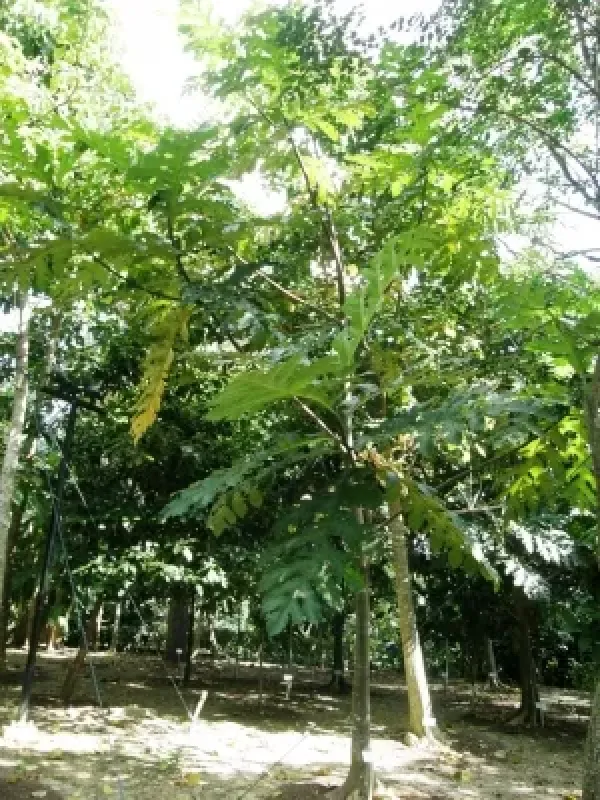
Description
Growing requirements
Artocarpus scortechinii is a notable member of the Moraceae family, structurally adapted to thrive in the humid tropical climates of Southeast Asia. This species is recognized for its robust growth habit and significant role in the local forest ecosystem as an evergreen canopy tree.
The climate requirements for this species are strictly tropical, necessitating year-round high temperatures and consistent rainfall. It thrives in environments where humidity levels remain high, as these conditions support its active growth phases throughout the year.
In terms of soil, Artocarpus scortechinii prefers deep, fertile, and well-drained substrates. The plant is sensitive to waterlogging, and maintaining proper soil aeration is essential for preventing root damage, especially during the heavy monsoon season.
Cultivation practices involve selecting sites that offer protection from high-velocity winds, which can damage the large, broad leaves characteristic of this genus. Establishing a plantation requires spacing that allows for natural crown development as the tree reaches maturity.
The economic value of this tree is largely derived from its high-quality timber, which is appreciated for its durability and aesthetic wood grain. It is a vital resource in sustainable forestry and agroforestry systems in its native habitat.
Main diseases and pests
Various pests, including wood-boring beetles, pose a structural threat to mature trees. These insects can compromise the internal health of the trunk, necessitating proactive management strategies in plantation environments.
Fungal pathogens represent the most significant threat to the plant's health, particularly when humidity levels exceed optimal ranges. Root rot and leaf blight are common issues that occur in stagnant or poorly drained soil conditions.
Fruit-feeding flies are known to impact the reproductive success of the tree by damaging fruits and seeds. Effective monitoring programs are often implemented to mitigate damage during the fruiting season of the species.
Bacterial diseases that cause stem necrosis can be devastating if allowed to spread through an orchard. Sanitation, such as the removal of infected branches and tools disinfection, is crucial for maintaining a healthy plantation.
The overall resilience of Artocarpus scortechinii is linked to proper site selection and balanced care. Maintaining the ecosystem's diversity is a natural way to reduce the impact of typical pests and diseases on this specific tree species.