
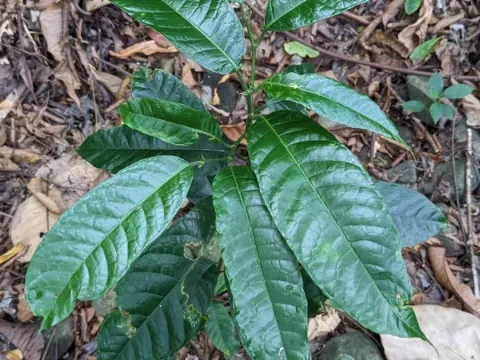
Artocarpus nitidus
Artocarpus nitidus
Artocarpus nitidus is an evergreen tropical tree belonging to the Moraceae family. It is native to the humid tropical forests of Southeast Asia and thrives in regions with consistent temperatures.
What the section contains
Artocarpus nitidus
The plant requires well-drained, nutrient-rich soils to support its vigorous root system and maintain its characteristic glossy foliage, which defines its common name.
Climate requirements include high annual precipitation and protection from cold winds or frost, which can cause significant damage to the plant's metabolic functions.
Optimal growth is achieved under full sun exposure, although young specimens benefit from partial shade during their initial development phases in the nursery.
Cultural practices must prioritize avoiding waterlogging, as the species is highly susceptible to root rot in poorly aerated soil conditions.
The economic utility of Artocarpus nitidus is primarily focused on its edible fruits, which are consumed locally and provide essential vitamins and minerals.
In addition to its fruit, the tree provides high-quality timber used in local carpentry and light construction due to its density and durability.
The cultivation of this species is often managed alongside other tropical crops, integrating into agroforestry systems that promote biodiversity.
Yield efficiency is highly dependent on effective pollination and the general health of the tree, which requires balanced moisture management throughout the year.
Sustainable harvesting techniques are vital for maintaining tree productivity and ensuring the long-term viability of the agricultural resource.
The tree faces significant risks from fungal infections, particularly those affecting the root and collar zones when soil moisture levels are not properly managed.
Pests such as scale insects, aphids, and mealybugs can cause damage by feeding on plant sap, leading to stunted growth and reduced fruit yield.
Root-knot nematodes are known to affect many species within the Moraceae family, posing a threat to plantation health in warmer climates.
Defoliating insects can occasionally cause outbreaks, requiring careful monitoring and integrated pest management strategies to mitigate damage.
Cultural management should include regular inspections of the canopy and trunk to detect signs of early infestation or disease-related structural weakness.