
Breadnut
Artocarpus camansi
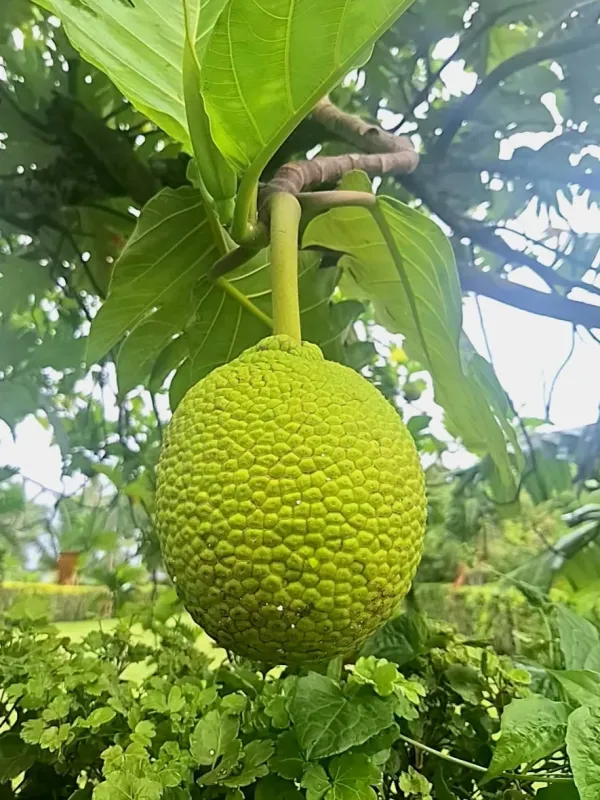
Description
Growing requirements
Breadnut, botanically known as Artocarpus camansi, is a tropical tree species belonging to the Moraceae family. It is widely recognized for its large, nutritious seeds and fruit.
Originating from the New Guinea region and the Philippines, this plant thrives in humid tropical climates. It requires consistent temperatures between 20°C and 35°C to maintain healthy growth cycles.
The tree prefers deep, well-draining soils that are rich in organic matter. While it is adaptable to various soil types, it performs best in soils with a slightly acidic to neutral pH level.
Water requirements are significant; however, the soil must never be waterlogged as the roots are susceptible to decay. Adequate irrigation is essential during dry seasons to ensure tree vigor.
Proper spacing is crucial when establishing an orchard, as these trees can grow quite large and require significant light and airflow to prevent shading issues between individual specimens.
Yield
Breadnut trees are highly productive, with mature specimens capable of yielding hundreds of fruits per season when grown under ideal environmental conditions.
The yield consists of both the fleshy fruit and the protein-rich seeds, which are highly valued for their chestnut-like texture and taste after roasting or boiling.
To maximize production, farmers focus on providing balanced nutrition through organic mulching and fertilization, which supports the tree's metabolic needs during fruit development.
Consistent pruning plays a vital role in yield management, as it keeps the canopy open, allowing more sunlight to reach the inner branches where fruit production is concentrated.
Annual yields remain stable over long periods, as the Breadnut tree is known for its longevity, remaining productive for several decades if managed with proper agricultural practices.
Main diseases and pests
The primary threats to Breadnut cultivation include mealybugs, scale insects, and certain species of fruit flies that can damage both the foliage and the developing fruit.
Fungal pathogens such as root rot can occur if soil drainage is insufficient, which highlights the importance of site selection and soil preparation before planting.
Effective management strategies involve regular monitoring of the orchard to detect pest infestations early and implementing integrated pest management techniques.
Sanitation practices, including the removal of rotting fruit from the ground, are critical to prevent the buildup of pest populations and the spread of opportunistic fungal infections.
Maintaining strong tree vigor through proper fertilization and watering schedules acts as the first line of defense, helping the tree naturally resist most common pathogens.
Harvesting
Harvesting Breadnut requires careful handling to ensure the fruits remain in good condition. As the fruits are heavy, they should be caught or lowered to prevent bruising upon landing.
The harvest timing is determined by the skin color of the fruit and the appearance of a sticky latex residue, which signals that the fruit is mature and ready for consumption.
Once harvested, the fruit is traditionally processed quickly to separate the seeds from the pulp, as the raw fruit has a relatively short shelf life at room temperature.
Post-harvest logistics often involve drying or roasting the seeds, which are the main commercial product of the plant, thereby increasing their storage life and market value.
Equipping laborers with harvesting poles and protective containers significantly reduces post-harvest losses and ensures a high-quality product reaches the consumer.