
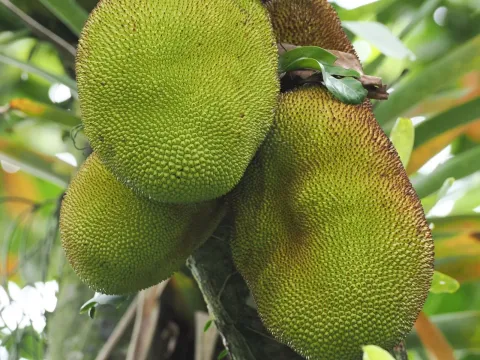
Breadfruit
Artocarpus
Breadfruit (Artocarpus altilis) is a tropical tree belonging to the Moraceae family, originating from the South Pacific and Southeast Asia. It is a vital staple food source in many tropical regions, known for its high-yielding properties and nutritional density.
What the section contains


Breadfruit
This crop thrives in hot, humid climates with temperatures ranging from 20°C to 40°C. It is highly sensitive to cold and frost; temperatures falling below 10°C can cause severe injury or mortality. Consistent warmth is essential for healthy canopy development.
Ideal soil for breadfruit is deep, fertile, and well-drained alluvial soil with a slightly acidic to neutral pH. The tree cannot tolerate waterlogged conditions, which lead to root asphyxiation, so choosing a site with excellent natural drainage is paramount for successful cultivation.
Annual rainfall of 1,500 to 3,000 mm is preferred, though the tree can survive short dry spells once established. However, consistent moisture availability is required during the fruit-set stage to ensure proper development and prevent premature fruit drop.
Good agricultural practices include regular pruning to maintain a manageable tree size and improve light penetration. Mulching the base helps preserve soil moisture and provides essential organic matter as it decomposes, supporting long-term tree health.
Breadfruit is renowned for its exceptional productivity, with a mature tree capable of yielding between 150 to 700 fruits per year. The weight of individual fruits typically ranges from 0.5 kg to 4 kg, depending on the cultivar and environmental conditions.
The fruit is a versatile staple, rich in carbohydrates and dietary fiber. It is commonly prepared by roasting, baking, or frying, offering a texture and flavor profile that serves as a highly effective substitute for cereal-based products in many diets.
Trees generally start producing fruit within 3 to 6 years after planting, with vegetative propagation (using root cuttings or suckers) being the standard method to maintain the characteristics of superior mother trees.
The wood of the breadfruit tree is also commercially valuable, prized for its lightness and resistance to termites. This adds economic diversity to farming operations, as the tree provides both food security and construction materials.
Post-harvest management involves careful handling to prevent bruising, as the starch-rich fruit is perishable. Processing the fruit into flour or chips is a common strategy to extend shelf life and add value to the produce.
Fungal diseases like anthracnose pose a significant threat to breadfruit, particularly during periods of high humidity and rainfall. Improving air circulation within the canopy through proper pruning is the primary method of disease mitigation.
Pests such as mealybugs, scale insects, and fruit flies can significantly impact harvest quality. Implementing integrated pest management (IPM) strategies, including biological control and monitoring traps, helps reduce damage without excessive pesticide use.
Root rot caused by Phytophthora species is a major issue in poorly drained soils. Preventing this requires diligent site selection and maintaining healthy soil structure, as there are few effective chemical treatments once the infection is established.
Bark damage during harvesting can leave the tree vulnerable to secondary wood-rotting fungi. Using appropriate harvesting equipment and professional training for workers is essential to prolong the tree's lifespan.
Regular monitoring for symptoms of viral or nutritional deficiencies is recommended. Maintaining balanced fertilization, particularly with potassium and magnesium, strengthens the plant's natural defenses against common pathogens.