
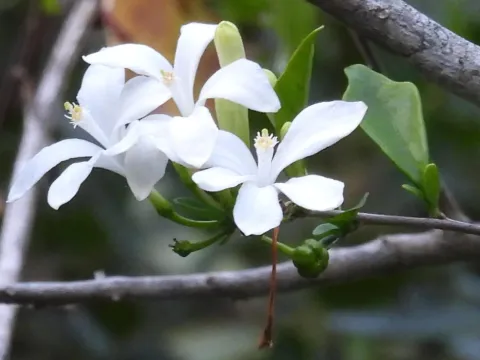
Turraea
Turraea
Turraea is a genus of shrubs and small trees belonging to the Meliaceae family. Native primarily to the tropical regions of Africa and Asia, these plants are known for their distinct aesthetic appeal and adaptability in tropical landscapes.
What the section contains
 Turraea casimiriana
Turraea casimiriana
Turraea casimiriana
 Turraea fischeri
Turraea fischeri
Turraea fischeri
 Turraea floribunda
Turraea floribunda
Turraea floribunda
 Turraea heterophylla
Turraea holstii
Turraea holstii
Turraea heterophylla
Turraea heterophylla
Turraea holstii
Turraea holstii
 Turraea nilotica
Turraea ovata
Turraea ovata
Turraea robusta
Turraea robusta
Turraea thouarsiana
Turraea thouarsiana
Turraea nilotica
Turraea nilotica
Turraea ovata
Turraea ovata
Turraea robusta
Turraea robusta
Turraea thouarsiana
Turraea thouarsiana
 Turraea vogelii
Turraea vogelii
Turraea vogelii
Turraea
Botanically, Turraea species are characterized by their alternate leaves and unique, often elongated flowers with distinct petals that curl back. They thrive in climates that mirror their tropical origins, requiring consistent warmth and protection from frost.
Successful cultivation requires a well-drained, nutrient-rich soil medium. A mixture of peat, loam, and coarse sand provides the necessary aeration for root health while maintaining sufficient moisture levels for active growth.
Light requirements are significant for this genus; while they appreciate bright, indirect light, harsh direct sunlight can scorch the foliage. Supplemental lighting is often used in greenhouse cultivation to ensure consistent, healthy development throughout the year.
In terms of utilization, Turraea is highly regarded in ornamental horticulture. Its capacity to be pruned and shaped makes it a popular choice for conservatory displays and, in specific climates, for exterior garden beds where it adds structural interest.
Common pests affecting Turraea include spider mites and scale insects, which frequently thrive in the dry conditions found in indoor greenhouse environments.
Regular monitoring of leaf undersides is essential, as these pests can cause significant damage before symptoms become visible on the upper surfaces.
Root rot, often caused by stagnant water in the root zone, is the most common physiological threat. Proper drainage and adhering to a strict watering schedule are the best preventive measures.
Fungal infections, such as leaf spot, can occur in poorly ventilated areas with high relative humidity, necessitating better airflow and the removal of infected debris.
Integrated pest management, including the use of horticultural oils and systemic insecticides, is recommended to keep the plant healthy and free from major infestations.