
Turraea heterophylla
Turraea heterophylla
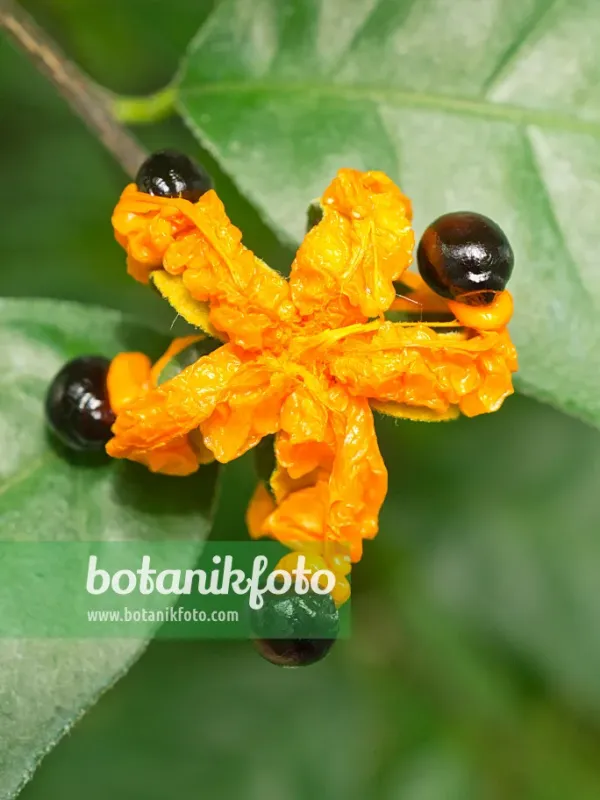
Description
Growing requirements
Turraea heterophylla is a member of the Meliaceae family. This woody plant typically grows as a shrub or a small tree, perfectly adapted to the specific conditions of tropical environments.
The natural range of this species covers the humid tropical regions of West and Central Africa. The plant thrives in well-drained, fertile soils rich in organic matter and cannot tolerate waterlogging in the root zone.
Climate requirements are defined by the tropical origin of the culture: high air humidity and a stable, warm temperature regime without sharp fluctuations or frost are essential for vigorous vegetative growth.
In terms of agricultural management, it is crucial to protect the plant from harsh drying winds and ensure access to adequate diffused sunlight. The culture is highly sensitive to soil moisture deficits during its active growth phases.
Economic use of the species includes ornamental landscaping in suitable climatic zones, as well as scientific exploration of the bioactive compounds found in the bark and leaves, often utilized in traditional medicine.
Main diseases and pests
The primary threats to Turraea heterophylla are fungal infections caused by poor cultivation practices, especially under conditions of excessive humidity and insufficient crown ventilation.
Common pests include mealybugs and spider mites, which feed on the sap of young, tender shoots, significantly weakening the plant's overall vitality.
To prevent the spread of diseases, it is necessary to regularly perform sanitary pruning of affected areas and monitor plant spacing to ensure proper air circulation.
A critical aspect of plant protection is monitoring the root collar, which is prone to rot if the soil is kept too wet or if the planting substrate has low permeability.
The application of chemical insecticides and fungicides must be strictly controlled, as exotic tropical species can exhibit negative sensitivity to broad-spectrum aggressive chemicals.