
Walsura
Walsura
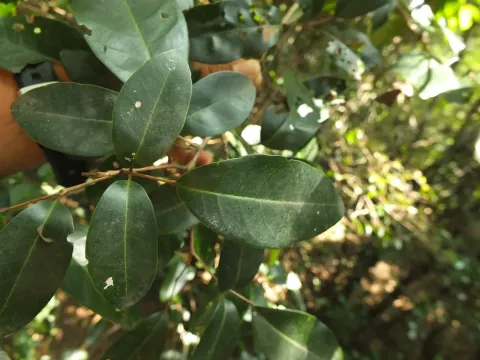
Walsura is a genus of evergreen trees and shrubs belonging to the Meliaceae family. These plants are primarily native to the tropical and subtropical regions of Southeast Asia, including India, Indochina, and the islands of the Malay Archipelago.
What the section contains

Walsura
Successful cultivation requires tropical climate conditions with high humidity and the absence of sharp temperature fluctuations. The plants prefer sunny or partially shaded areas typical of the understory in moist evergreen forests.
Soil requirements include deep, well-drained, and fertile soils with a neutral to slightly acidic pH level. The culture does not tolerate waterlogging in the root zone, making high-quality drainage critical for successful development.
The biological features of the genus include pinnately compound leaves and small, fragrant flowers arranged in panicles. The fruits are leathery or woody capsules containing seeds with an aril, which facilitates seed dispersal by animals.
Economically, Walsura is valued as a source of high-quality timber, known for its high density, durability, and resistance to decay. Additionally, some species are utilized in traditional medicine and as ornamental plantings in tropical garden landscapes.
The primary threats to Walsura development in both natural and managed environments are fungal infections, which thrive under conditions of excessive humidity and poor canopy ventilation. Leaf spot diseases of various etiologies are the most commonly observed issues.
Among pests, the larvae of various Lepidoptera and Coleoptera species pose the greatest risk, as they consume leaf tissue, significantly slowing down biomass accumulation in young seedlings.
Sucking insects, such as scale insects and mealybugs, can damage bark and young shoots by depleting the plant through sap extraction. Effective control involves the application of modern systemic insecticides.
In nursery conditions, the risk of disease spread increases significantly due to high planting density. Adhering to proper spacing and performing timely sanitary pruning to improve air circulation is highly recommended.
Disease prevention strategies include maintaining optimal soil sanitation and utilizing high-quality planting material that is resistant to the specific pathogens prevalent in the cultivation region.