
Turraea vogelii
Turraea vogelii
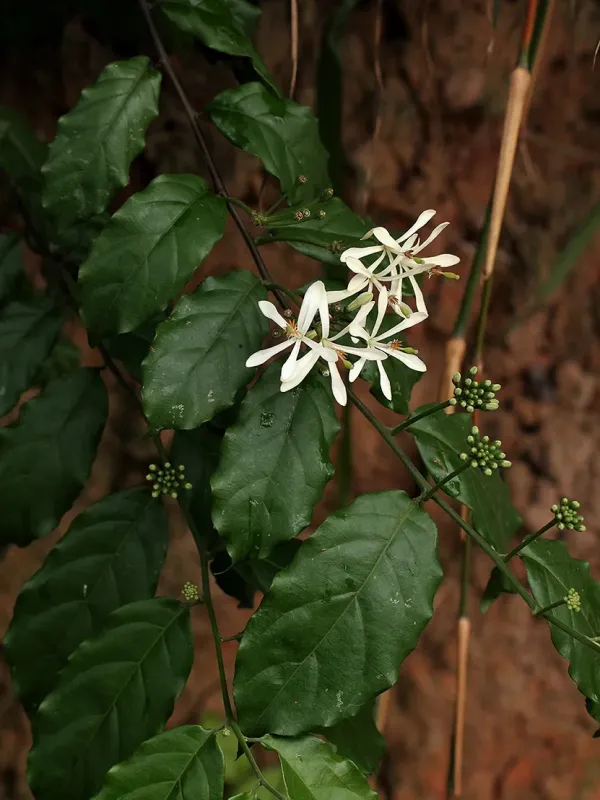
Description
Growing requirements
Turraea vogelii is a perennial woody shrub or small tree belonging to the Meliaceae family. This species originates from the tropical regions of Africa, where it thrives in conditions of high humidity and stable positive temperatures.
The plant prefers well-lit areas, although in its youth, it needs protection from direct midday sun, which can cause burns on the delicate leaves. The optimal temperature range for active growth is between +22 and +28 degrees Celsius.
Soil requirements include the use of fertile, organic-rich substrates with a good drainage system. The crop reacts extremely negatively to water stagnation in the root system, which can trigger root rot and plant death.
Under tropical conditions, the plant demonstrates high adaptability to air humidity, so when grown in closed ground or greenhouses, it is important to maintain humidity levels at 65–75%. Regular watering must be combined with the drying of the topsoil layer.
Agricultural techniques include mandatory fertilization during the growing season. It is recommended to use balanced mineral fertilizers with high nitrogen content at the beginning of the season and potassium-phosphorus compounds to support flower bud formation.
Main diseases and pests
The main threat to this crop is posed by sucking pests, such as spider mites and scale insects, which multiply actively in dry air conditions.
Fungal diseases, including powdery mildew, can affect the leaf blade in the absence of proper air circulation and increased humidity during the night hours.
Root rot is the most dangerous pathology, occurring when the irrigation regime is violated or when heavy, poorly aerated soil mixtures are used.
Systemic insecticides and acaricides are used to combat pests, while regular treatment with broad-spectrum fungicides is recommended for the prevention of fungal infections.
Preventive measures include removing infected plant parts and observing quarantine zones when introducing new specimens into the collection.