
Trichilia prieuriana
Trichilia prieuriana
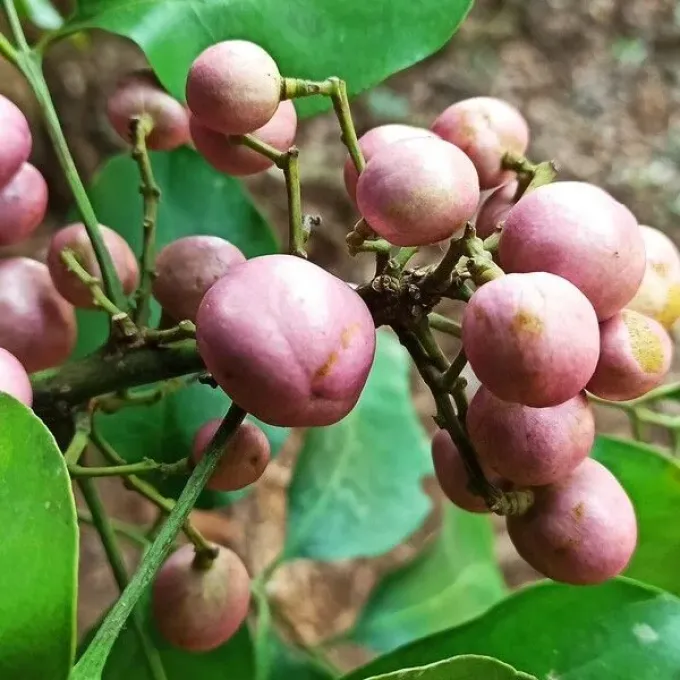
Description
Sowing dates
Trichilia prieuriana is primarily propagated through seeds. In natural environments, seeds are dispersed by wildlife, but for cultivation, they must be sown in nurseries immediately after collection, as they quickly lose their viability.
A loose, humus-rich substrate with excellent drainage is essential for seed germination. The optimal temperature for successful sprouting ranges between +25°C and +28°C, provided that soil moisture remains consistent.
Transplanting seedlings to their final location is best performed at the onset of the rainy season to ensure proper root establishment. A spacing of at least 3 to 4 meters between trees is required to allow for healthy crown development.
As a member of the Meliaceae family, this evergreen tree is biologically adapted to a competitive forest environment, exhibiting rapid growth during its early life stages.
Sowing requires careful light management, as young seedlings are sensitive to direct sunlight and initially benefit from partial shade. Gradual exposure to full sun is necessary as the stem becomes lignified.
Growing requirements
This species is native to the tropical regions of West and Central Africa. It thrives best in humid forest zones where the average annual rainfall exceeds 1500–2000 mm.
Trichilia prieuriana prefers deep, well-drained soils rich in organic matter. While it cannot withstand prolonged waterlogging, it is capable of surviving temporary flooding typical of riparian habitats.
Optimal vegetative conditions include consistently high temperatures without significant seasonal fluctuations. The tree is heliophilous, but in its juvenile stage, it can tolerate moderate shade from the forest canopy.
Good agricultural practice involves the application of organic fertilizers during the early growth stages to support structural wood development. Protection from high winds is also crucial to prevent damage to young foliage.
The soil should ideally maintain a slightly acidic to neutral pH, which is characteristic of the rainforest soils where this species is naturally found.
Yield
The economic value of Trichilia prieuriana lies in its high-quality timber, which is known for its durability and resistance to biological decay. Yield assessment is calculated based on the volume of timber produced per hectare.
The growth cycle until the harvest of commercial timber spans several decades, making it a long-term investment in forestry. Growth rates can be improved through systematic sanitary pruning.
Beyond timber, the tree produces seeds that contain oils used in traditional local crafts. Fruit yield depends heavily on the age of the tree and the overall health of the forest stand.
Economic efficiency is determined by the quality of the trunk; minimal defects and knots significantly increase the market value. Pruning to shape the trunk is a key practice for maximizing high-grade wood output.
This species is increasingly viewed as a valuable component of agroforestry systems, providing wind protection and contributing to the maintenance of soil fertility.
Main diseases and pests
The primary threats include wood-boring insects, which can damage the trunk and reduce timber quality. Regular monitoring of the bark and trunk integrity is necessary to mitigate these risks.
Fungal leaf diseases caused by the high humidity of the tropical climate can lead to premature defoliation and reduced growth rates. Management strategies include the use of fungicides and thinning of canopy stands.
Young seedlings are vulnerable to rodents and wildlife that may strip the bark. Protective netting or fencing around young trees is a standard and essential management practice.
Improper soil drainage often leads to root rot. Ensuring that there is no standing water and maintaining effective drainage canals in the nursery helps to prevent widespread infection.
- Infestation by wood-boring insects
- Root rot due to waterlogging
- Bark damage by rodents
- Fungal leaf spots
- Bacterial wood infections