
Turraea thouarsiana
Turraea thouarsiana
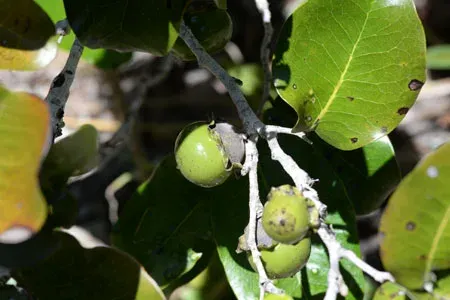
Description
Growing requirements
Turraea thouarsiana is a woody plant species belonging to the Meliaceae family. Native to tropical regions, primarily Madagascar, this species requires specific environmental conditions to thrive, making it an interesting subject for tropical forestry and specialized plant cultivation.
The primary requirement for the successful development of this culture is a warm, stable climate without extreme temperature fluctuations. The tree performs best in fertile, well-drained soils that maintain a consistent level of moisture, mimicking the rich forest floor conditions of its natural habitat.
Adequate soil aeration is critical, as the root system of Turraea thouarsiana is sensitive to waterlogging. Planting sites must be carefully selected or modified with drainage systems to prevent the buildup of stagnant water, which can lead to fungal infections and root decay.
In terms of light, the plant is typically adapted to shaded or semi-shaded environments. While it can tolerate filtered sunlight, direct exposure to harsh tropical sun may stress the foliage; therefore, providing natural or artificial canopy cover is standard practice in organized cultivation.
Nutritional requirements include regular application of organic matter or balanced fertilizers during the primary growth phases. Maintaining soil pH within a slightly acidic to neutral range is generally recommended for optimal nutrient uptake in this family of plants.
Harvesting
Turraea thouarsiana is primarily utilized for its wood, which is valued for small-scale construction and artisan projects. The commercial harvest of this wood requires long-term planning, as the tree’s growth rate necessitates a commitment to sustainable forestry cycles.
Harvesting strategies often involve selective logging techniques, ensuring that the surrounding forest environment remains stable. This approach promotes long-term productivity and maintains the ecological balance of the cultivated area.
In addition to timber, there is growing interest in the pharmacological properties of the plant. Research is ongoing into the extraction of specific bioactive compounds from the bark and leaves, which may have future applications in the creation of natural biocides or medicinal additives.
Efficient harvest management involves timing the collection of materials during the plant’s dormant period to minimize physiological stress. Skilled management of tree density and canopy structure further increases the quality and yield of the harvestable biomass.
Successful commercial integration of this crop requires a focus on sustainable harvesting methods and careful post-harvest processing. This ensures that the timber quality is maintained and that the plantation remains a productive asset for the long term.