
Turraea floribunda
Turraea floribunda
Description
Growing requirements
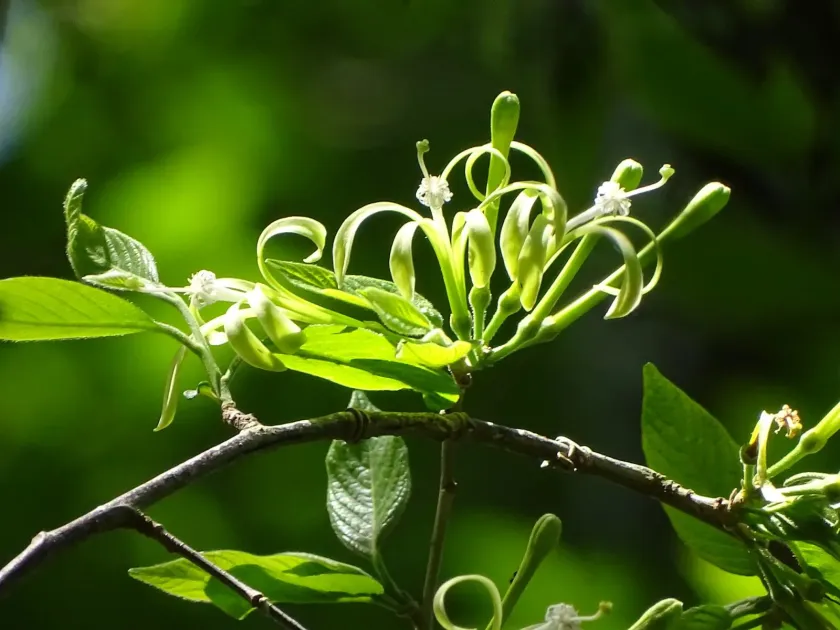
Turraea floribunda, commonly known as the honeysuckle tree, is a perennial plant belonging to the Meliaceae family. It typically grows as a dense shrub or a small-to-medium-sized tree, valued for its spectacular white floral displays.
The species is native to sub-Saharan Africa, where it thrives in coastal forests and woodland areas. Because it is highly sensitive to frost, it is cultivated primarily in tropical climates or as a greenhouse ornamental in colder regions.
The plant requires well-drained, fertile soil rich in organic matter. A slightly acidic to neutral pH is considered ideal for nutrient uptake, and the inclusion of mulch helps maintain soil temperature and moisture levels.
Environmental requirements include a consistent temperature range, preferably above 15 degrees Celsius. It performs best in partial shade, as intense direct sunlight can lead to scorched foliage in young or container-grown specimens.
Water management is crucial during the growing season. The soil should be kept consistently moist but never waterlogged. During winter months, irrigation must be significantly reduced to allow the plant to enter a resting phase.
Main diseases and pests
While generally hardy, Turraea floribunda can be susceptible to common greenhouse pests. Aphids, scale insects, and spider mites are the primary threats that can damage tender new shoots and drain the plant's vitality.
Fungal infections, such as root rot, may occur if the substrate lacks proper drainage. Early detection is vital; regularly inspecting the underside of leaves and the base of the stem helps in managing pest populations before they cause damage.
Harvesting
The primary utility of the honeysuckle tree is ornamental, serving as a focal point in tropical landscaping. Its fragrant, white, star-like flowers make it a desirable addition to botanical collections and conservatory displays.
Ethnobotanical research highlights the use of this species in traditional African medicine. Various preparations from its bark and roots are historically mentioned, though their application requires deep knowledge of its bioactive compounds.
Maintenance involves routine pruning to shape the tree and promote denser branching. This is best carried out post-flowering, which encourages the development of healthy, vigorous wood for the subsequent growth cycle.
For container cultivation, repotting is necessary every few years to replenish the growing medium and prevent the plant from becoming root-bound. Using high-quality potting mix supports robust growth.
Propagation is primarily achieved through stem cuttings. Using rooting hormones and maintaining high humidity levels in a propagation chamber significantly improves success rates for establishing new plants.