
Turraea fischeri
Turraea fischeri
Description
Growing requirements
Turraea fischeri is a perennial woody shrub belonging to the Meliaceae family. Native to the eastern and central regions of Africa, this plant is well-adapted to the specific moisture and temperature regimes of tropical forest ecosystems, often serving as an essential part of local biodiversity.
The plant requires a stable tropical climate with ambient temperatures consistently between +20°C and +30°C. It is highly sensitive to frost, making it unsuitable for open-ground cultivation in temperate zones without strict greenhouse climate control and specialized lighting systems.
For optimal growth, Turraea fischeri demands well-drained, fertile soil enriched with organic matter. Proper irrigation is critical: the substrate must be kept moist but never waterlogged, as the species is susceptible to root decay if the oxygen supply in the soil is restricted by excess standing water.
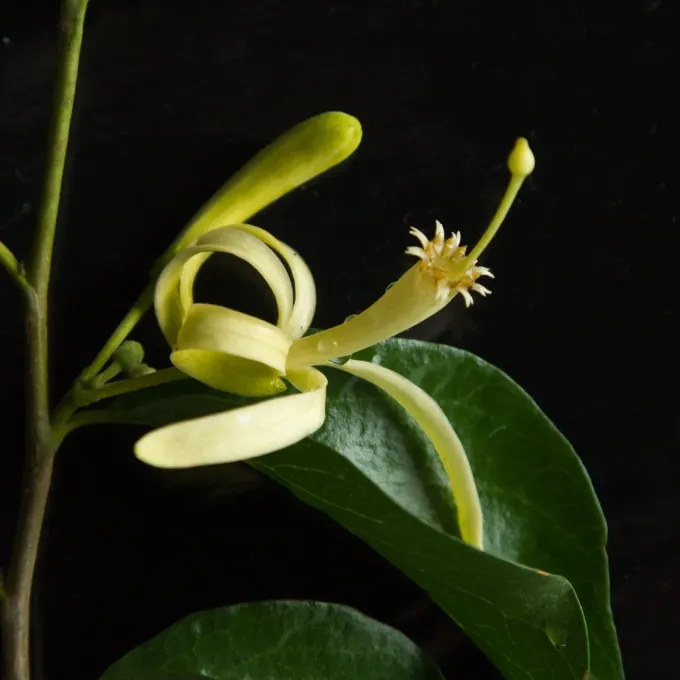
Botanically, the species is distinguished by its simple, alternate leaves and delicate, aromatic flowers that typical of the Meliaceae family. The plant's architectural growth habit makes it a visually appealing addition to tropical botanical gardens and specialized interior landscape designs where space permits.
Its primary use is ornamental, appreciated for its evergreen canopy and floral characteristics. Beyond aesthetics, studies on the family Meliaceae often highlight the chemical diversity within the genus, which remains a subject of interest for both horticulture and botanical research regarding natural plant defenses.
Main diseases and pests
Common threats include mealybugs and spider mites, which thrive in dry indoor or greenhouse air. Furthermore, poor air circulation can predispose the foliage to fungal infections, such as leaf spot, which requires preventive maintenance and moderate humidity levels to manage effectively.