
Turraea casimiriana
Turraea casimiriana
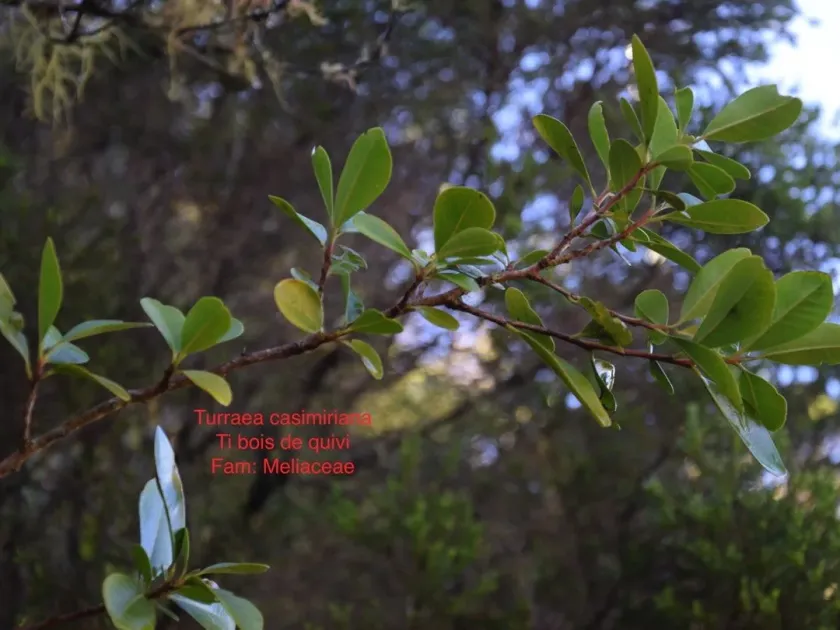
Description
Growing requirements
Turraea casimiriana is a plant species belonging to the Meliaceae family. Native to tropical regions, it exhibits growth habits typical of forest-dwelling woody plants. Its botanical structure is characterized by complex leaf patterns and distinct floral development.
Climate requirements for this culture include consistently high temperatures and high relative humidity. It is an extremely thermophilic plant that suffers irreversible damage when exposed to cold drafts or temperatures below 18 degrees Celsius.
The soil profile must be enriched with organic matter and maintain a slightly acidic pH level. High aeration of the root zone is crucial for the metabolic activity of the plant, requiring the use of perlite or other drainage-enhancing agents in the substrate.
Regarding light, it requires bright but filtered exposure. In an agricultural setting, shading screens are often used to mimic the natural dappled light of the forest floor, protecting the foliage from intense midday heat.
Biological sustainability of the crop depends on balanced irrigation practices. Overwatering is the most common mistake, leading to physiological stress and reduced secondary metabolite production within the plant tissues.
Main diseases and pests
Common pests affecting Turraea casimiriana include mealybugs, which are notoriously difficult to control in dense foliage. They sap nutrients and produce honeydew, which serves as a substrate for sooty mold development.
Root rot is the primary pathological threat, typically induced by phytopathogenic fungi such as Pythium. This disease spreads rapidly in waterlogged soils and can destroy the root system within a few days.
Spider mites represent a major concern during dry periods. These pests quickly colonize the undersides of leaves, causing chlorosis and eventual necrosis of the foliage if not treated with systemic or contact acaricides.
Preventive integrated pest management (IPM) is highly recommended. This includes the use of biological control agents and maintaining precise environmental parameters to keep the plants in a state of high vigor.
Regular monitoring of leaf health is vital for successful cultivation. Growers should watch for discoloration or stunted growth, as these are indicators of underlying nutritional deficiencies or pest infestation.