
Turraea nilotica
Turraea nilotica
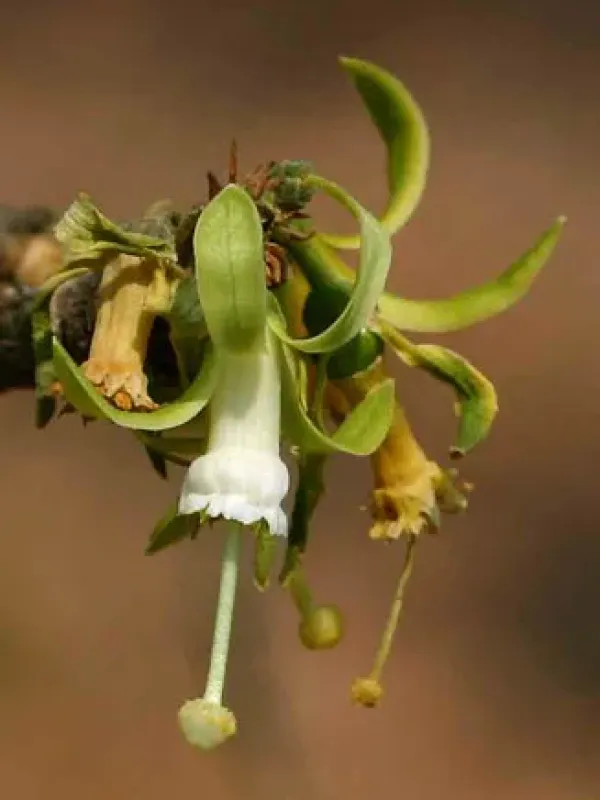
Description
Growing requirements
Turraea nilotica is a woody perennial plant belonging to the Meliaceae family. It is native to the tropical regions of Africa, where it plays an important role in the ecological balance of savannas and woodland areas.
The plant thrives in well-drained soils that provide adequate aeration for the root system. It exhibits significant tolerance to water scarcity, making it a hardy candidate for reforestation efforts in semi-arid tropical zones.
Climate requirements involve high temperatures throughout the year, ideally ranging from 20°C to 30°C. Ample solar exposure is essential for the plant to achieve its maximum height and produce healthy, dense foliage.
Botanically, this species typically manifests as a deciduous shrub or a small tree that can reach several meters in height. Its structure is characterized by alternate leaves and complex flowering patterns that occur seasonally.
Economically, the wood of Turraea nilotica is utilized for local artisanal crafts. Furthermore, the plant's parts are subjected to ethnobotanical studies due to their history of use in traditional medicine systems across East Africa.
Main diseases and pests
The main threats to the plant include infestations by various lepidopteran larvae that target the foliage. Additionally, in cultivation settings, excessive humidity can lead to fungal infections affecting the trunk and branches.