
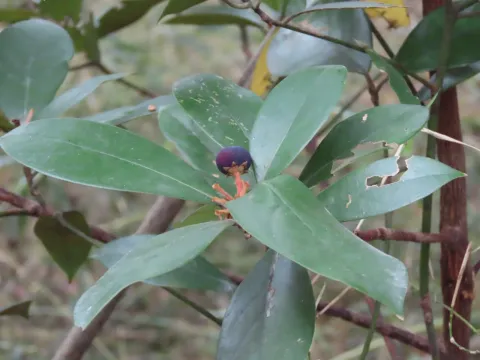
Machilus
Machilus
Machilus is a genus of evergreen trees and shrubs within the Lauraceae family. These plants are known for their dense, leathery foliage and are biologically related to other well-known species like avocado and bay laurel.
What the section contains


Machilus
The native habitat of Machilus spans across the humid subtropical and tropical regions of Asia. They thrive in environments characterized by high annual precipitation and moderate temperature ranges, typical of mountain forests.
Successful cultivation requires soil that is rich in organic matter and possesses excellent drainage. Heavy clay soils that retain excessive water are generally unsuitable as they promote root rot and weaken the plant's health.
Climatic requirements involve protection from extreme frost and harsh, drying winds. While mature trees can tolerate minor temperature dips, young saplings need careful climate control to establish a strong root system.
From a utility perspective, Machilus is valued for its wood in construction and furniture making. Furthermore, the mucilaginous properties of the bark are traditionally harvested for various industrial applications, including paper manufacturing and incense production.
Root rot is the most significant threat to Machilus plantations, typically triggered by improper soil drainage or excessive irrigation levels that prevent oxygen from reaching the roots.
Fungal leaf spots can occur during rainy seasons, leading to premature leaf drop. Ensuring adequate spacing between trees is critical to allow for proper airflow and to minimize the spread of moisture-related pathogens.
Scale insects are common pests that attack the stems and lower leaf surfaces. Infestations can cause significant stress to the tree, resulting in stunted growth and the development of sooty mold.
Spider mites can also be problematic in warmer, dryer regions. Regular inspections of the foliage, especially during the peak growth season, are necessary to detect early signs of infestation and prevent damage.
Integrated pest management strategies are recommended to maintain plant health. This includes biological controls and the application of targeted horticultural oils when pest pressure exceeds threshold levels.