
Machilus odoratissimus
Machilus odoratissimus
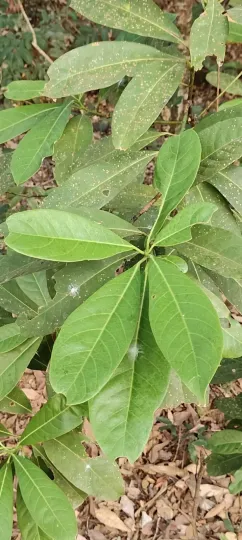
Description
Growing requirements
Machilus odoratissimus is an evergreen tree belonging to the Lauraceae family. Known for its fragrant properties, it is native to the subtropical forests of the Himalayas and Southeast Asia.
The plant thrives in deep, fertile, and well-drained soils. Its root system is sensitive to waterlogging, necessitating excellent drainage in both natural environments and agricultural plantations.
Climate requirements include high humidity levels and a moderate temperature range. The tree is generally susceptible to frost, making it suitable primarily for regions with warm, stable climates.
Young trees require protection from intense direct sunlight during their establishment phase. As they mature, they become more resilient but still benefit significantly from consistent moisture and organic matter in the soil.
Cultivation practices involve proper spacing to allow for crown development. Pruning is often employed in plantation settings to encourage the growth of harvestable bark and leafy material.
Harvesting
The primary agricultural interest in Machilus odoratissimus lies in its essential oil production and high-quality timber. It is also a significant species in social forestry programs.
Harvesting strategies for leaves and bark must be sustainable to ensure the long-term viability of the plantation. The timing of the harvest is critical to optimize the concentration of secondary metabolites.
Industrial processing of the plant material typically involves steam distillation to capture aromatic oils. This requires specialized equipment to maintain the purity and quality of the final product.
Timber harvesting follows standard sustainable forestry guidelines, focusing on selective logging and replanting to maintain the balance of the ecosystem.
Research into the medicinal and industrial applications of this species continues, with focus on identifying specific chemotypes that provide higher yields for the perfumery and pharmaceutical sectors.