
Machilus rimosa
Machilus rimosa
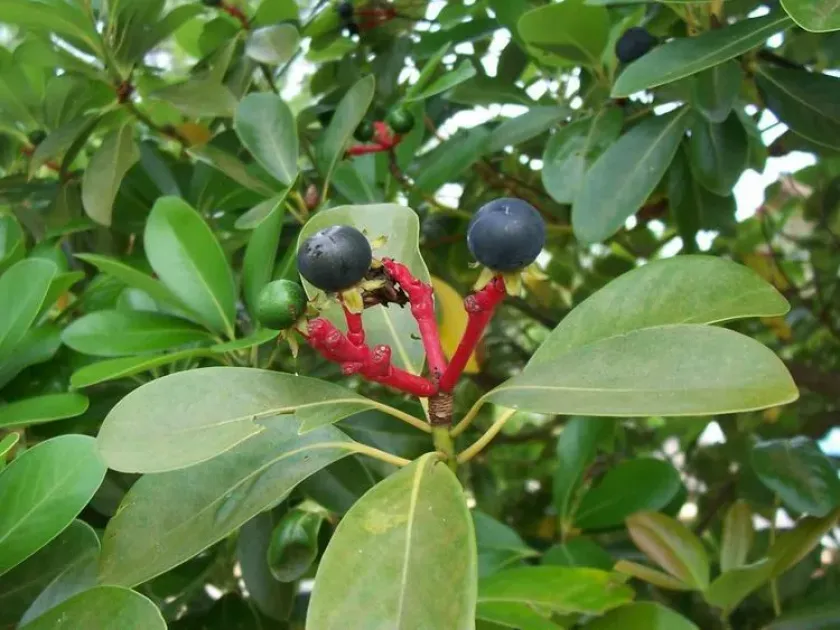
Description
Growing requirements
Machilus rimosa is an evergreen tree species belonging to the Lauraceae family, natively distributed across the tropical and subtropical forests of Southeast Asia.
The crop thrives in fertile, well-drained soils that are rich in organic matter, reflecting its natural forest floor habitat in high-rainfall regions.
Climatic requirements involve consistent humidity and stable temperatures, making it highly sensitive to extreme drought or prolonged frost events during development.
Agronomic management requires providing shade for saplings in their early stages of growth to prevent leaf scorch and ensure healthy plant establishment.
Proper soil management is critical, as waterlogged conditions can lead to severe physiological stress and susceptibility to pathogens in the root zone.
Yield
The primary economic value of Machilus rimosa lies in its durable timber, which is utilized for construction and the creation of high-quality furniture.
Additionally, the bark is a valuable source of aromatic resins used in the manufacturing of traditional incense and various cosmetic products.
Harvesting strategies are based on the age of the stand, with periodic thinning operations providing both small-diameter wood and space for premium growth.
Sustainable yield management focuses on rotational harvesting to maintain forest density and support the long-term productivity of the plantation area.
Industrial processing of the biomass ensures that every part of the tree is utilized effectively, maximizing the overall economic return for the producer.
Main diseases and pests
Root rot caused by Oomycetes and other fungal pathogens is the most significant threat to the health of Machilus rimosa stands in poorly drained soils.
Insect pests, specifically wood-boring beetles and certain leaf-feeding larvae, pose a risk to the structural integrity and foliage health of the trees.
Integrated pest management protocols, including regular field inspections and the use of eco-friendly pesticides, are essential for maintaining plantation vigor.
Fungal leaf spot diseases may appear during periods of excessive rainfall, requiring careful monitoring to prevent the rapid spread of infection through the canopy.
Strategic planting distance and regular canopy thinning are effective preventative measures to reduce the impact of pest and disease outbreaks.