
Machilus thunbergii
Machilus thunbergii
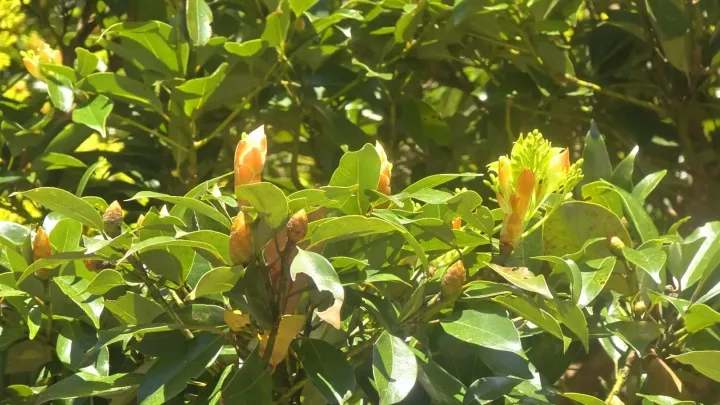
Description
Growing requirements
Machilus thunbergii, often known by its Japanese name Tabu-no-ki, is a broad-leaved evergreen tree species belonging to the Lauraceae family. It is characterized by its lush, glossy foliage and its ability to develop into a stately, dense canopy.
The native distribution of this species spans across East Asia, including Japan, Korea, and China. It is commonly found in coastal forests, demonstrating a strong tolerance to salt spray and oceanic winds, which makes it a resilient plant for maritime landscapes.
To thrive, Machilus thunbergii requires deep, fertile, and well-draining soil. While it prefers moist environments, it is crucial to ensure that the soil does not become waterlogged, as this can lead to root system degradation.
In terms of climate, the tree prefers subtropical conditions but is adaptable to mild temperate zones. It needs protection from hard frosts, especially during its juvenile years, to prevent severe damage to the terminal buds and foliage.
Cultivation practices involve applying organic compost during the spring to enhance nutrient availability and maintaining a layer of mulch to regulate soil temperature and moisture retention around the base of the tree.
Main diseases and pests
Common plant health issues include leaf spot diseases, which typically emerge in humid conditions with poor aeration. Maintaining a structured canopy through periodic thinning is a primary method for preventing fungal outbreaks.
Pests such as scale insects and mealybugs can infest the twigs and leaves. Management strategies include the use of horticultural oils or targeted systemic insecticides during the peak growth season to control populations effectively.
Spider mites may occasionally occur during hot, dry summer months. Increasing air humidity through misting or site selection can help mitigate the pressure from these pests on the tree's vitality.
The tree serves several хозяйственные functions, ranging from landscape ornamentation to the production of high-quality wood used for traditional crafts and cabinetry, prized for its durability and grain.
Sustainable forest management of this species involves monitoring the health of the trunk and branches for signs of wood-boring insects, which can compromise the structural integrity of older, mature trees.