
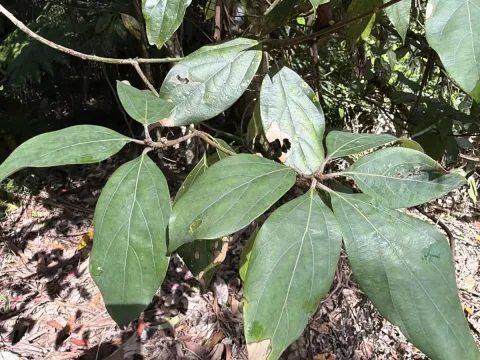
Neolitsea
Neolitsea
Neolitsea is a genus of evergreen trees and shrubs belonging to the Lauraceae family. Native to tropical and subtropical regions of Asia, these plants thrive in humid forest environments, demonstrating significant botanical diversity across their range from China to Southeast Asia.
What the section contains


Neolitsea
The cultural requirements for Neolitsea include well-drained, nutrient-rich soil with a slightly acidic profile. Proper drainage is the most critical factor, as these plants are highly susceptible to root hypoxia and fungal infections if the growing medium remains waterlogged for extended periods.
Climate conditions must remain stable, as the species lacks significant frost tolerance. In commercial or conservatory settings, temperature maintenance above 12 degrees Celsius is essential to prevent physiological stress and promote healthy, consistent vegetative growth throughout the year.
Light management is equally important; Neolitsea requires bright, indirect light. Direct sunlight can cause leaf scorching, while extreme shade often results in sparse foliage development and stunted growth. A balance of filtered sunlight provides the best conditions for photosynthesis.
Economically, Neolitsea is valued for its potential in the pharmaceutical and fragrance industries. The leaves and wood contain aromatic compounds and essential oils. Furthermore, its evergreen nature and distinct foliage structure make it a highly desirable candidate for ornamental horticulture in warm climates.
The primary threats to Neolitsea cultivation are fungal pathogens, particularly those affecting the root system such as Phytophthora species. These thrive in conditions of excessive soil moisture and inadequate airflow, requiring strict adherence to irrigation schedules.
Pests represent a significant challenge in greenhouse cultivation, with spider mites and scale insects being the most common invaders. These pests cause damage by extracting plant sap, which leads to leaf yellowing, tissue necrosis, and reduced vigor in heavily infested specimens.
Integrated Pest Management (IPM) is the recommended approach for maintaining healthy crops. This involves a combination of environmental monitoring, such as checking humidity levels, and the targeted use of horticultural oils or biological control agents to manage pest populations effectively.
Sanitation is a critical component of disease prevention. Growers should ensure that all planting tools are sterilized and that any plant debris, such as fallen leaves or twigs, is removed promptly to prevent the accumulation of potential fungal spores and egg-laying sites for insects.
When applying any chemical treatment, caution must be exercised as the broad leaves of Neolitsea may exhibit sensitivity to certain concentrated pesticides. Always conduct a small-scale sensitivity test on a single branch before applying treatments to the entire plant population.