
Machilus glaucescens
Machilus glaucescens
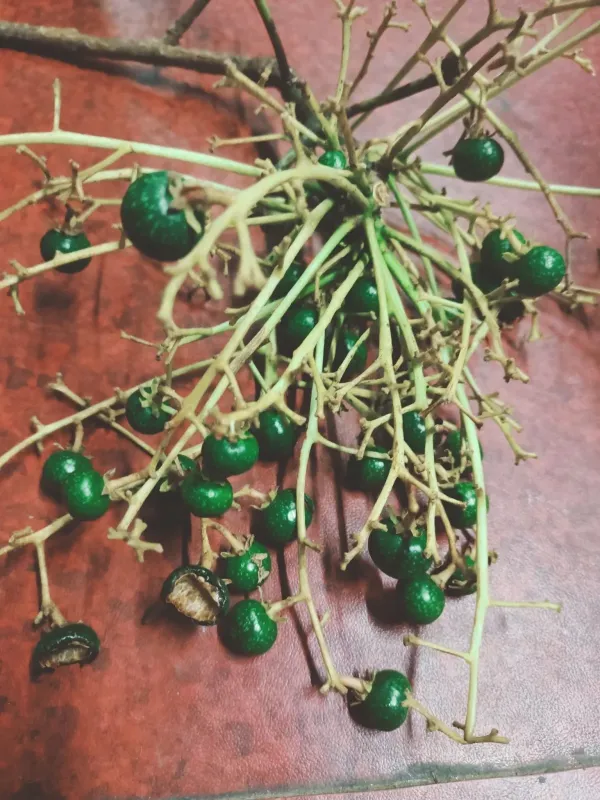
Description
Growing requirements
Machilus glaucescens is a prominent evergreen tree species belonging to the Lauraceae family. Known for its aesthetic and structural properties, this plant forms a robust canopy and is well-adapted to specific subtropical environments where it plays a significant role in the local ecosystem.
Originating from the humid forests of Southeast Asia, this species thrives in regions characterized by high annual precipitation and mild temperatures. Its natural distribution is linked to stable, warm environments that support the continuous vegetative growth required for the tree to reach maturity.
When considering cultivation requirements, Machilus glaucescens demands fertile, well-drained soil with an acidic to neutral pH level. It is imperative to avoid waterlogged sites, as the root system is highly susceptible to suffocation and fungal infection if stagnant water is present in the rhizosphere.
The plant demonstrates a preference for sheltered locations that protect it from extreme wind exposure and low-temperature stress. Providing adequate sunlight is crucial during the early stages of growth to ensure the development of a strong trunk and a symmetrical branch structure.
In terms of хозяйственного usage, Machilus glaucescens is valued for its high-quality timber, which is frequently used in the construction and cabinet-making industries due to its durability. Furthermore, the foliage and bark are sources of aromatic compounds used in the development of specialty chemical and natural cosmetic products.
Main diseases and pests
Fungal diseases constitute the primary threat to the health of Machilus glaucescens, specifically root rot and stem cankers caused by excessive soil moisture. Proper landscape management and soil drainage are the best prophylactic measures to prevent the onset of these devastating pathologies.
Pest pressures, primarily from wood-boring insects and sap-sucking arthropods, require consistent monitoring to prevent widespread damage. Implementation of integrated pest management (IPM) practices, including biological control and targeted intervention, ensures the longevity and productivity of the forest stand.