
Nectandra
Nectandra
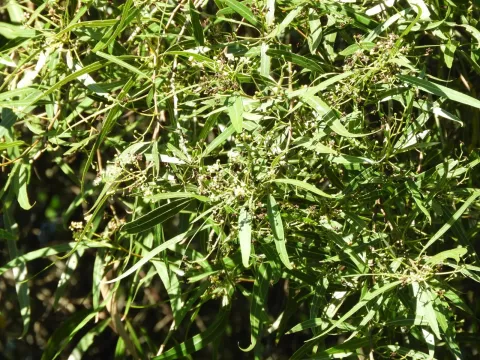
Nectandra is a genus of evergreen trees and shrubs belonging to the Lauraceae family. Native to tropical and subtropical regions of the Americas, these plants are primarily found in moist forest environments where they thrive under a canopy or in clearings.
What the section contains


Nectandra
Successful cultivation requires a warm climate with minimal temperature fluctuations. While the plants are light-demanding at maturity, young saplings require partial shade to prevent leaf scorch and ensure optimal establishment during the initial growth phases.
The soil profile should be nutrient-rich, well-draining, and contain significant organic matter. Nectandra is highly susceptible to root damage caused by waterlogged soil, making site selection with efficient drainage a top priority for agricultural management.
Agricultural practices involve maintaining consistent soil moisture levels throughout the growing season. High atmospheric humidity, reflecting their natural habitat, is beneficial for the healthy development of foliage and metabolic functions.
From an economic standpoint, several species are harvested for their high-quality timber, which is known for its durability and resistance to decay. Additionally, the bark and foliage of specific varieties are studied for their chemical properties, including alkaloids used in pharmacological research.
The primary threats to Nectandra plantations include fungal infections, which flourish in environments with poor air circulation and excessive humidity. Root rot pathogens are particularly devastating, often leading to rapid decline if water management is ignored.
In terms of insect pests, scale insects and aphids can cause significant damage to the new growth of young trees. Implementing an integrated pest management strategy is essential to monitor and control populations before they reach economic damage thresholds.