
Machilus nanmu
Machilus nanmu
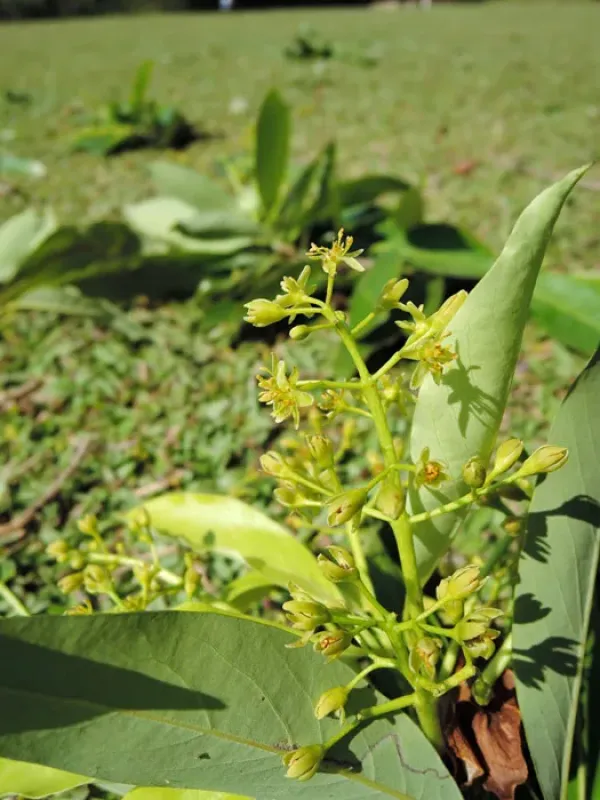
Description
Growing requirements
Machilus nanmu is a prominent evergreen tree species belonging to the Lauraceae family. Known for its stature and environmental requirements, it is highly valued as a source of premium timber in East Asia.
Originating from the southern regions of China, this tree thrives in humid subtropical climates. It is typically found in mountainous valleys where the ecosystem provides consistent moisture and moderate temperatures throughout the year.
The cultivation of this species requires deep, fertile, and well-drained soils. Rich in organic matter, the growing medium should ideally maintain a neutral to slightly acidic pH to ensure optimal nutrient uptake and root health.
Environmental conditions play a crucial role in the development of Machilus nanmu. The species prefers sheltered locations protected from harsh winds and direct, intense sunlight during its early stages of growth, favoring diffused light instead.
In terms of usage, the timber derived from Machilus nanmu is legendary. Its high resistance to decay, beautiful grain, and durability make it an expensive choice for traditional furniture, temple construction, and intricate woodworking projects.
Main diseases and pests
Root rot pathogens, particularly those thriving in waterlogged soil, pose the most significant threat to nurseries and young plantations. Proper land preparation and drainage infrastructure are essential to mitigate these risks.
Wood-boring insects represent a major concern for mature trees. These pests can cause significant structural damage to the trunk, which directly affects the commercial quality of the wood harvested from these plantations.
Fungal leaf spot diseases may appear during periods of high humidity and poor ventilation. Maintaining adequate spacing between trees is a standard silvicultural practice used to prevent the spread of these common foliar infections.
Young saplings are particularly sensitive to nutrient competition from weeds. Without consistent clearing and weeding, the growth rate of Machilus nanmu can be significantly stunted, leading to longer maturation cycles.
Climate change and shifting precipitation patterns present long-term challenges. As a species accustomed to specific moisture levels, extended periods of drought can weaken the trees and make them susceptible to secondary pest outbreaks.