
Machilus japonica
Machilus japonica
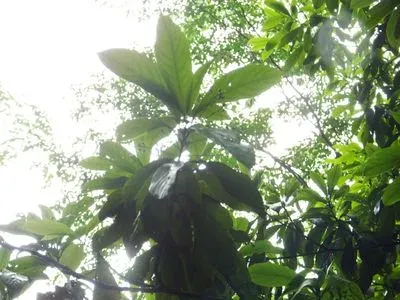
Description
Growing requirements
Machilus japonica is an evergreen tree species classified within the Lauraceae family. Recognized for its dense, glossy foliage and robust growth habit, this tree serves as an excellent specimen for landscaping in warm, humid climates where it can thrive without the stress of extreme winter frost.
The native range of this species extends across East Asia, predominantly throughout Japan and the southern parts of the Korean Peninsula. In its natural habitat, it typically populates subtropical evergreen forests, favoring deep soils and high environmental moisture levels typical of such ecosystems.
Successful cultivation requires specific climatic conditions, focusing on moderate temperatures and protection from harsh, dry winds. It is particularly well-suited for coastal regions where the humidity remains high, which is essential for maintaining the health and vibrant color of its broad leaves.
Regarding soil preferences, Machilus japonica demands nutrient-rich, well-draining substrates with a slightly acidic to neutral pH level. Proper drainage is absolutely critical; waterlogged conditions are highly detrimental to the root system and must be avoided through careful planting site selection.
Agronomic management involves periodic application of balanced fertilizers during the active growing season to support canopy development. Pruning should be restricted to removing dead or crossing branches to ensure structural integrity and to promote healthy air circulation throughout the tree crown.
Main diseases and pests
The primary threats to this culture are fungal pathogens, specifically those causing root rot, which thrive in poorly drained soils. Farmers must ensure proper field drainage and avoid over-irrigation to mitigate the risks of these destructive plant diseases.
Occasional infestations by sap-sucking insects, such as aphids or scale insects, can occur in urban landscaping. Integrated pest management strategies, including the use of horticultural oils or biological controls, are recommended to keep these populations below the economic injury level.
Harvesting
Machilus japonica is primarily utilized in the ornamental industry for private gardens, public parks, and urban forestry projects. Its ability to maintain dense foliage throughout the year makes it a top choice for creating privacy screens and windbreaks in subtropical urban developments.
The wood of this tree is valued for its durability and fine grain, often utilized in traditional woodworking and furniture production. Although not typically harvested on a massive industrial scale, it contributes to local artisan economies where the wood is sought after for bespoke furniture pieces.
Bark and foliage extracts are sometimes harvested for essential oil production. These oils contain aromatic compounds traditionally used in incense manufacturing and specialized cosmetic applications, adding an economic dimension to the cultivation of these trees in certain forestry settings.
The plant plays a significant role in environmental conservation through soil stabilization. By planting it on steep embankments and eroding hillsides, land managers effectively reduce sediment runoff and enhance the long-term integrity of the local topsoil structure.
Future horticultural research focuses on enhancing the cold tolerance of the species, potentially expanding its planting zone. Seed propagation remains the primary method for large-scale nursery production, though vegetative cutting methods are employed for cloning desirable phenotypic traits.