
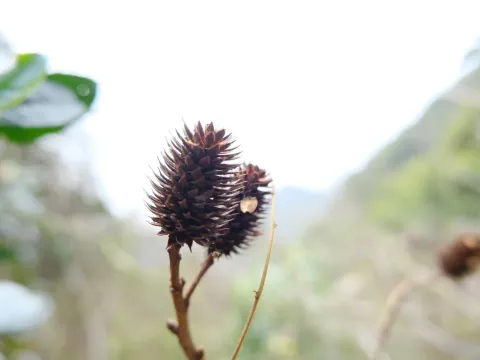
Platycarya
Platycarya
Platycarya is propagated mainly through fresh seeds in nursery settings. Stratification of seeds for 30 to 60 days at low temperatures significantly improves germination rates.
What the section contains

Platycarya
The optimal time for sowing seeds in the field is during the autumn (before winter) or in early spring, as soon as the soil warms up to 8-10 degrees Celsius.
Seeds are sown in prepared furrows at a depth of 3-5 centimeters, maintaining a spacing of at least 20-30 centimeters between rows to allow adequate space for seedling development.
When growing in containers, it is essential to provide effective drainage, as stagnant water is detrimental to the young shoots of this species.
Seedlings typically emerge 3-4 weeks after sowing, provided that substrate moisture is maintained and the young plants are protected from direct harsh sunlight during their initial growth stages.
Platycarya is a deciduous tree belonging to the Juglandaceae family, naturally occurring in the forests of East Asia, including China, Korea, and Japan.
The culture thrives in mild, humid climates and prefers well-lit areas, although young specimens benefit from partial shade during hot summer spells.
Regarding soil requirements, the tree performs well in loamy, humus-rich, and well-drained soils with a slightly acidic to neutral pH level.
The tree is sensitive to severe frosts at a young age; therefore, in colder regions, reliable winter protection or cultivation in controlled environments is recommended.
To support active crown growth, regular irrigation is necessary during dry seasons, especially within the first few years after transplantation to a permanent site.
Platycarya possesses high natural resistance to most typical agricultural pests, making it a promising candidate for sustainable and ecological forestry projects.
The primary threat to young plants is root rot, which typically develops due to excessive soil moisture or heavy, compacted soil composition.
In cases of overcrowded planting conditions, there is a risk of powdery mildew infection, which can be managed with prophylactic copper or sulfur-based fungicides.
Occasional infestations of aphids or leaf beetles may occur, though these populations rarely reach levels that justify the application of chemical insecticides.
Adhering to best agricultural practices, such as proper spacing and strict moisture control, serves as the most effective strategy for disease prevention in this crop.