
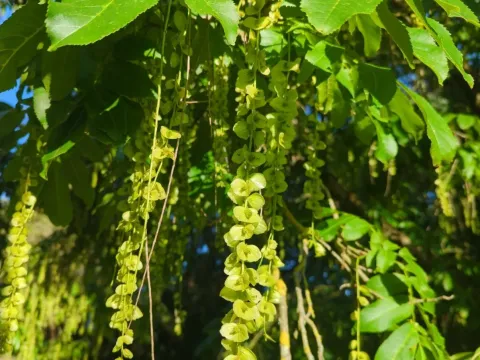
Pterocarya
Pterocarya
Pterocarya, commonly known as wingnut, is a genus of deciduous trees belonging to the walnut family (Juglandaceae). These trees are highly valued for their distinct pinnate leaves and spectacular long, catkin-like fruit racemes that drape elegantly from the branches.
What the section contains


Pterocarya
Native to temperate and subtropical regions of Asia, including China, Japan, and the Caucasus, the tree thrives in fertile, moisture-retentive soils. Naturally, they are found along riverbanks, which indicates a high requirement for well-aerated but consistently damp growing sites.
Pterocarya requires a temperate climate with sufficient moisture throughout the growing season. While the trees can tolerate partial shade, they perform best in full sun, which promotes vigorous growth and better structural development of the canopy.
The soil should be deep and rich in organic matter to support the tree’s rapid growth rate. In landscaping, it is essential to allow enough room for the root system, which can be expansive, to avoid future damage to paved surfaces or nearby buildings.
Agronomic maintenance includes regular irrigation during dry spells and the application of mulch to conserve soil moisture. The tree is generally sensitive to extreme cold and requires protection from harsh, dry winds that can desiccate young shoots during winter and early spring.
The primary use of Pterocarya is ornamental, making it a favorite for large parks, botanical gardens, and spacious estate landscapes. Its rapid growth makes it an excellent choice for immediate impact in reforestation projects or windbreaks in suitable environments.
The timber is relatively soft, light, and has a moderate aesthetic value, although it is not extensively used in commercial logging. It is occasionally utilized by artisans for small-scale woodcraft, carving, and indoor furniture components.
Seed collection takes place in late autumn when the winged nutlets turn brown and dry. The seeds are highly mobile due to their wing structure, which allows them to disperse easily across water surfaces in the wild.
In nursery settings, propagation is typically achieved through seeds, which require stratification to break dormancy and ensure uniform germination. Alternatively, vegetative propagation from root suckers can be used to propagate specific high-quality clones.
Proper pruning is essential for maintaining the tree’s structural integrity. By removing diseased or crossing branches early in the season, growers ensure better air circulation throughout the crown, which helps mitigate the risk of fungal infections.
The primary threats to Pterocarya include various fungal leaf spot diseases and bark cankers, which often manifest during periods of excessive humidity or poor soil drainage. Keeping the area under the canopy clean of debris is a crucial preventative measure.
Insect pests, such as aphids and leaf-eating caterpillars, can occasionally cause damage to the foliage. While these rarely kill a healthy mature tree, they can significantly reduce its aesthetic appeal, necessitating timely integrated pest management strategies.
Young specimens are particularly vulnerable to frost damage. Late spring frosts can destroy emerging buds, potentially setting back growth for the entire season. Protective measures like frost cloths or insulating mulch are recommended in cooler climates.
Root rot is a significant risk if the soil remains waterlogged for extended periods without oxygen. Ensuring proper soil structure and avoiding compaction around the roots is vital for maintaining tree health.
- Regular monitoring for signs of leaf spots.
- Application of dormant oil to manage overwintering pests.
- Soil amendment to improve drainage and aeration.