
Neotropical walnut
Juglans neotropica
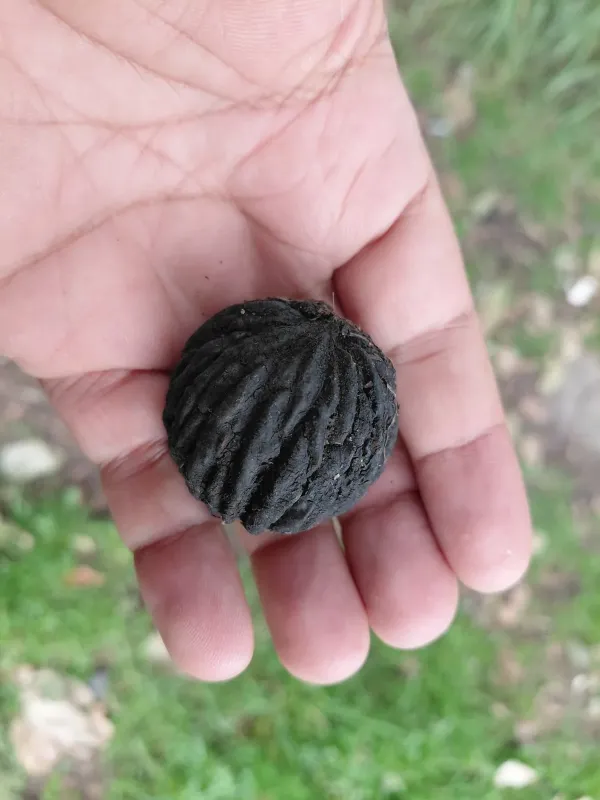
Description
Growing requirements
The Neotropical walnut (Juglans neotropica) is a significant member of the Juglandaceae family, native to the Andean regions of South America. Known for its adaptability to highland environments, it thrives in cloud forests and mountain valleys at high altitudes.
Successful cultivation requires deep, well-draining, and nutrient-rich soils. The tree demands consistent moisture throughout the growing season but is intolerant to waterlogged conditions, which necessitates selecting sites with excellent soil structure or manual drainage systems.
The climate must be consistently temperate or subtropical. While the tree shows moderate resistance to cooler temperatures compared to other tropical species, prolonged frosts can be detrimental to young specimens, making protected mountain slopes ideal for orchard establishment.
Botanically, it is a massive, deciduous tree that contributes significantly to canopy development. Its leaves are pinnate and large, maximizing photosynthetic efficiency in the high-light environments of its native habitat, while its bark provides natural protection against environmental stressors.
Economically, the species is highly valued for its dark, dense, and durable timber, often used in fine carpentry and high-end furniture. Additionally, the nuts are a sought-after commodity, known for their rich oil content and unique nutritional profile.
Main diseases and pests
Anthracnose and other fungal leaf diseases are the most common threats to the Neotropical walnut. These pathogens are most active during high-humidity periods, necessitating pruning strategies that allow for airflow and light penetration throughout the canopy.
Pests such as walnut husk flies and specific lepidopteran larvae can significantly impact nut quality. Integrated Pest Management (IPM) practices, including biological controls and pheromone traps, are essential for maintaining a healthy and productive crop.
Root rot pathogens pose a severe risk if irrigation management is poor. Ensuring that soil moisture does not reach saturation levels is the primary cultural practice to prevent these devastating soil-borne infections.
Boring insects can attack the trunk and major branches, particularly when the tree is stressed by drought or nutrient deficiencies. Maintaining tree vigor through balanced fertilization and correct site selection is vital for defense.
Regular sanitation programs, involving the collection and destruction of infected fruit or foliage, significantly reduce the inoculum pressure in the orchard, ensuring the longevity of the Neotropical walnut plantations.