
Japanese wingnut
Pterocarya rhoifolia
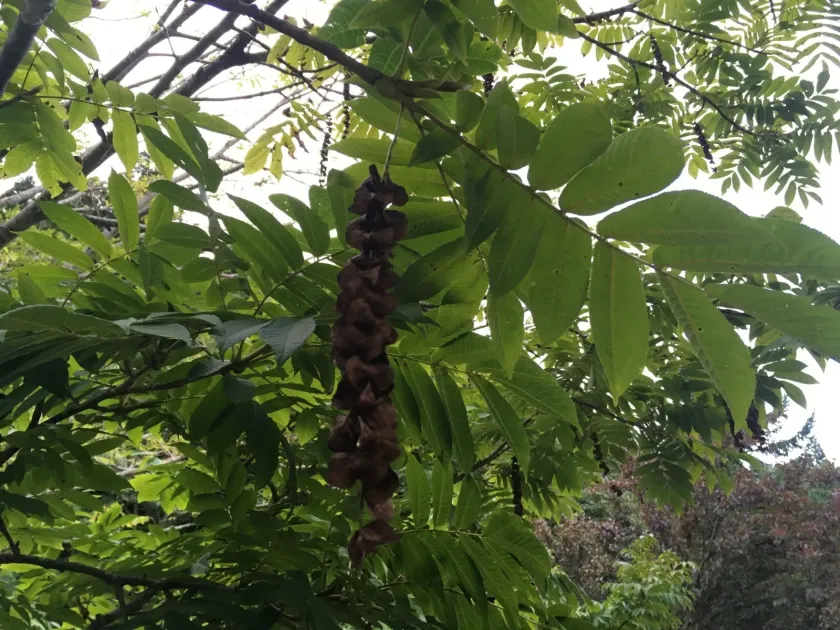
Description
Sowing dates
Propagating the Japanese wingnut from seeds requires a period of cold stratification to break dormancy. Seeds should be sown in autumn to allow them to experience winter conditions naturally in the soil, which significantly improves germination rates.
If spring sowing is preferred, seeds must be placed in a damp substrate and stored at a temperature of approximately 5°C for at least two to three months. This artificial cold treatment mimics the natural seasonal cycle necessary for embryonic development.
Seeds should be planted in a loose, well-draining soil mix at a depth of about 2 centimeters. Keeping the planting medium consistently moist is crucial, as the young seedlings are highly sensitive to drought during their first months of growth.
For large-scale cultivation in nurseries, vegetative propagation via semi-hardwood cuttings can be utilized. Cuttings taken in early summer and placed in mist chambers under high humidity generally show good rooting performance within several weeks.
Transplanting is best performed in early spring before bud burst. Care should be taken to minimize root disturbance, as the species relies on a healthy, widespread root system to establish itself in a new location.
Growing requirements
Pterocarya rhoifolia, a member of the Juglandaceae family, is a large deciduous tree native to Japan. It is recognized by its long, pinnate leaves and distinctive hanging catkins that appear during the flowering season.
The tree thrives in cool, moist environments. It requires fertile, deep soil that remains consistently damp throughout the growing season. While it can tolerate slightly soggy ground, it performs best when the soil is rich in organic matter.
Exposure to full sun is ideal for maximum growth, although partial shade during the hottest parts of the day is beneficial in warmer climates. The tree is somewhat sensitive to wind, so a sheltered position is highly recommended for optimal development.
The Japanese wingnut is moderately hardy but can be damaged by late spring frosts or extremely low winter temperatures. Providing a layer of mulch around the base of the tree helps protect the roots and maintain soil moisture levels.
Given its fast growth rate and size, Pterocarya rhoifolia requires significant space. A distance of at least 6 meters from other large trees or buildings is necessary to allow the canopy to spread fully without interference.
Yield
In forestry and agriculture, the Japanese wingnut is valued for its rapid growth and timber quality. The wood is light, soft, and easy to work with, making it suitable for furniture manufacturing, interior decoration, and plywood production.
As a landscape tree, its primary yield is aesthetic value and shade provision. Due to its love for water, it is frequently utilized in reforestation projects along riverbanks and in public parks with decorative water features.
Productivity in terms of wood biomass can be enhanced through proper silvicultural practices, including occasional thinning and fertilization during the early years of the plantation. This ensures that the trees develop straight and healthy trunks.
The tree is also significant for soil stabilization. Its extensive root system helps prevent erosion along slopes and stream banks, providing an essential ecological service that adds value to land management efforts.
With consistent irrigation and balanced nutrient supply, the Japanese wingnut can reach its mature height within a few decades. Its longevity makes it a sustainable long-term investment for arboretums and conservation-oriented forest areas.
Main diseases and pests
The Japanese wingnut is generally robust, but it can be susceptible to root rot if grown in stagnant water without proper drainage. Ensuring the soil is well-aerated is the primary defense against such fungal issues.
Various defoliating insects, including moth caterpillars, can pose a threat to the leaves during the summer. Monitoring foliage periodically allows for early intervention, often using biological controls or targeted insecticidal soaps if necessary.
Bark damage is a significant risk factor, particularly in young trees. Protecting the lower trunk from rodents or accidental mechanical impact is essential to prevent the entry of wood-decay fungi that can lead to long-term decline.
Canker diseases can occasionally affect the branches, especially after periods of extreme weather stress. Pruning away affected limbs at least 15 centimeters below the visible lesion helps contain the spread of the pathogen.
Maintenance of overall plant vigor through sanitation is key. Removing dead or diseased wood and clearing away leaf litter reduces the prevalence of fungal spores, ensuring a healthier growing environment for the tree.