
Pterocarya stenoptera
Pterocarya stenoptera
Description
Sowing dates
Propagation of Pterocarya stenoptera is typically achieved through seeds or by utilizing root suckers. Due to the inherent dormancy of the seeds, stratification at low temperatures for 2 to 3 months is essential to achieve a reasonable germination rate.
Sowing should ideally occur in autumn to allow for natural stratification in the soil throughout the winter. If spring sowing is preferred, the seeds must undergo pre-treatment in a controlled environment to simulate winter conditions and trigger growth.
The seeds should be planted at a depth of approximately 3–5 cm, ensuring that the soil medium remains consistently moist. As the seedlings begin to develop, they require careful monitoring of humidity levels to prevent early dieback.
Professional nurseries often utilize rooting hormones for vegetative propagation via cuttings, although this process is more technically demanding than seed propagation. Success depends on maintaining a humid and stable microclimate for the cuttings.
Once established, the seedlings exhibit rapid growth. It is advisable to transplant them to their permanent location while they are still young to ensure the development of a robust and deep root system in their target environment.
Growing requirements
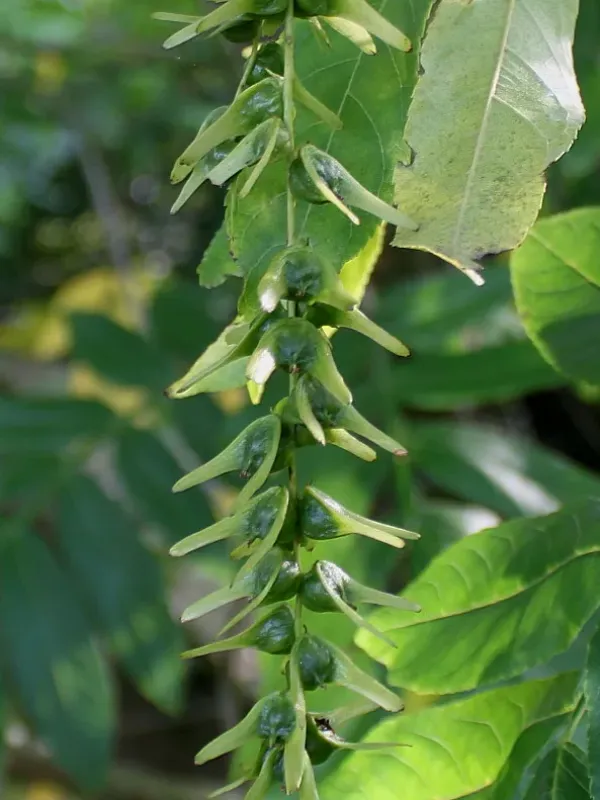
Pterocarya stenoptera, commonly known as the Chinese wingnut, is a deciduous tree belonging to the Juglandaceae (walnut) family. Native to China, it is highly valued for its striking appearance, featuring pinnate leaves and distinctive long, pendulous catkins.
This species is inherently moisture-loving and thrives in environments where water is abundant. It is frequently found along riverbanks and in valley bottoms, making it an excellent choice for areas prone to occasional flooding or poor drainage.
The tree prefers deep, fertile, and well-drained soils rich in organic matter. While it is adaptable to a variety of soil types, its performance is significantly enhanced when it has consistent access to water and nutrients throughout the growing season.
Climatically, the Chinese wingnut prefers temperate regions. It is moderately frost-hardy, although young specimens benefit from shelter against harsh winter winds. It thrives in full sun but can tolerate partial shade if the environmental moisture is sufficient.
Agricultural management requires regular monitoring of the soil moisture levels and periodic pruning to maintain a strong central leader. Given its size, it requires ample space to reach its mature dimensions without competing for sunlight.
Yield
The primary use of Pterocarya stenoptera is in ornamental landscaping and large-scale park design. It serves as an impressive specimen tree or can be planted in rows to create shaded avenues, thanks to its lush and spreading canopy.
In terms of forest management, the Chinese wingnut is recognized for its rapid growth rate, which allows for the quick establishment of woody biomass. The wood is of moderate density and can be used for carpentry, furniture making, and local woodworking crafts.
As a biological tool for erosion control, this species is highly effective. Its expansive and strong root system helps stabilize riverbanks and slopes, providing an essential ecological service in preventing soil degradation near water bodies.
While the tree does not produce significant crops for the food industry, its aesthetic and ecological contributions are substantial. It is increasingly utilized in urban forestry to mitigate the heat island effect due to its dense foliage and cooling transpiration rate.
The plant represents a sustainable option for greening industrial zones or rehabilitating disturbed landscapes where a robust, fast-growing, and adaptable species is required to improve soil quality and visual appeal.
Main diseases and pests
The primary threats to Pterocarya stenoptera are fungal pathogens caused by excessive soil saturation or stagnant water near the root collar. These conditions often lead to root rot and vascular diseases that weaken the tree structure.
Insect pests, including various aphids and leaf-eating beetles, can cause defoliation during the peak summer months. Integrated pest management, including the use of biological control agents, is recommended to mitigate the impact of these infestations.
Mechanical damage to the bark, whether from maintenance equipment or physical impact, can lead to the formation of cankers. These wounds provide entry points for secondary infections, which can result in long-term structural failure.
Winter desiccation and bark cracking can occur in regions with extreme temperature fluctuations. Providing protective wraps for the trunks of young trees during their first few years can reduce the risk of frost-induced stress and subsequent disease.
Proper hygiene is essential in managing the health of these trees. Regular pruning to remove dead or diseased branches helps improve air circulation within the canopy and reduces the accumulation of spores that could facilitate the spread of fungal diseases.